Beautiful Thai Embroidery: A Designer’s Review for Small Business Merch
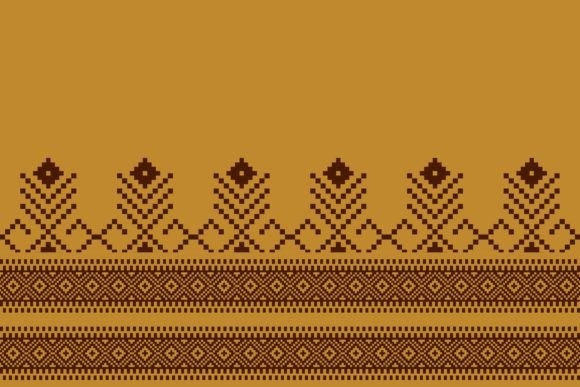
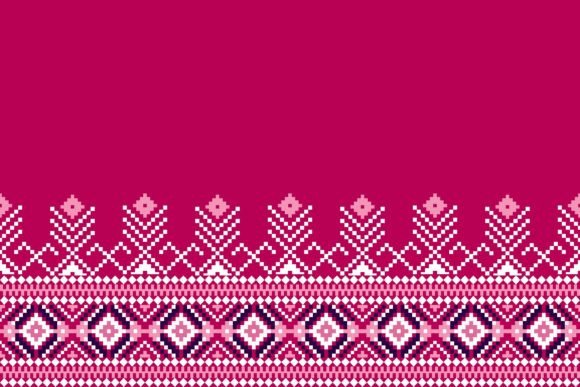
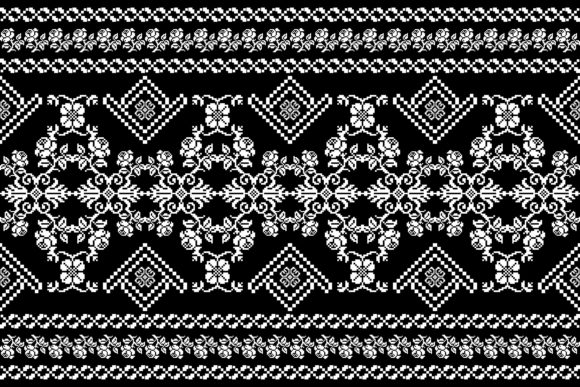
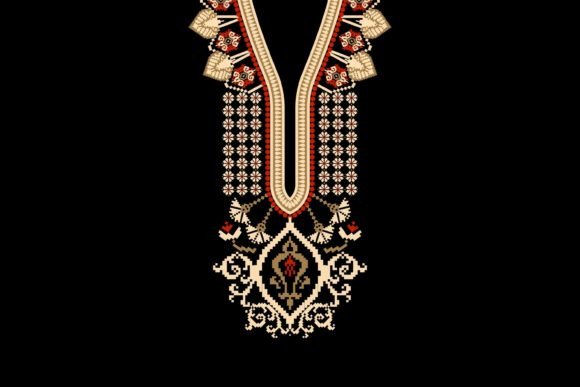
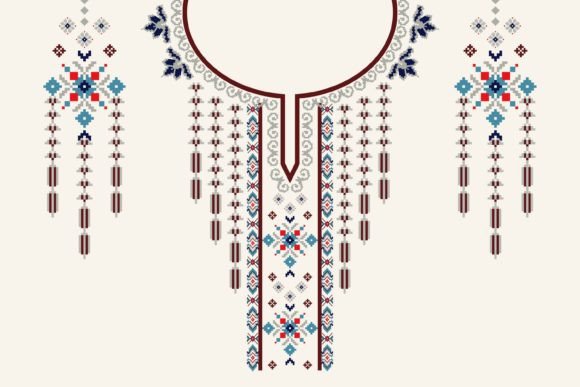
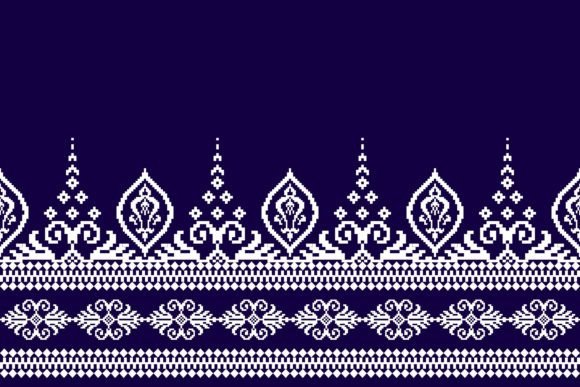
As an embroidery designer who has spent years turning digital concepts into tangible, tactile brand assets, I approach every new design file with a mix of artistic appreciation and practical skepticism. When Beautiful Thai Embroidery landed on my desk, described as a "hmong seamless pattern" with a "navy blue and white background" in an "aztec style," I immediately thought about where this would live in the real world. It is not just a pretty graphic; it is a potential cornerstone for small business merch, branded patches, and uniform accents.
This review breaks down how this specific geometric ethnic oriental pattern performs when translated from a vector illustration to stitched thread. We will look at its suitability for embroidered patches, cap embroidery, apron designs, and tote bag marks, keeping in mind the needs of Etsy sellers, boutique owners, and apparel decorators.
First Impressions: The Visual Personality of the Design
The title suggests elegance, but the description hints at something bolder. The combination of navy blue and white creates a high-contrast foundation that is essential for legibility in machine embroidery. In my experience, low-contrast thread combinations often get lost on dark fabrics or wash out quickly. Here, the classic pairing ensures that the intricate details of the hmong-inspired geometry remain visible.
The "aztec style" and "geometric" keywords suggest a structured, rhythmic visual language. This is not a free-flowing floral vine; it is precise. For a small business, this precision translates to professionalism. It feels premium and curated rather than casual or sloppy. Whether you are running a local café, a handmade jewelry shop, or a creative studio, this design brings a sense of cultural depth and artisanal quality to your brand identity. It bridges the gap between modern minimalism (via the clean navy/white palette) and rustic, handmade charm (via the ethnic geometric motifs).
Real-World Applications for Small Business Merch
So, where does Beautiful Thai Embroidery shine? Let’s look at specific use cases for entrepreneurs looking to expand their product lines.
Branded Patches and Uniform Accents
One of the most profitable avenues for this design is the creation of embroidered patches. Because the pattern is seamless and geometric, it can be scaled effectively without losing integrity. Imagine a small chest logo patch for staff uniforms at a boutique hotel or a specialized bakery. The navy background provides a sleek canvas, while the white stitching pops against darker work shirts. It adds a layer of sophistication that plain logos often lack. For a pet brand or a florist, a patch featuring this design on a denim jacket or a canvas tote can serve as a unique customer gift or loyalty reward.
Caps and Headwear
Cap embroidery requires designs that are bold enough to be recognized from a distance but compact enough to fit within standard hoop limits. The geometric nature of this pattern allows for excellent framing. You could center a portion of the seamless pattern on the front panel of a trucker hat or a structured baseball cap. The contrast ensures visibility even in shadowed areas. This is particularly effective for event merch or promotional items where brand recognition is key.
Tote Bags and Aprons
For handmade brands, tote bags are a walking billboard. Applying Beautiful Thai Embroidery to a heavy cotton canvas tote offers a luxurious texture that print cannot replicate. Similarly, for kitchen-related businesses—such as a spice company or a cooking class—the design on an apron elevates the garment from utility wear to fashion statement. The durability of the stitch density here is crucial, as these items will undergo frequent washing.
Where Caution Is Required: Technical Limitations
While the design is visually striking, no single asset fits every application perfectly. As a designer, I must highlight areas where Beautiful Thai Embroidery might face challenges.
- Small Patch Sizes: If you plan to create very small patches (under 2 inches), the intricate details of the hmong pattern may merge together. The individual geometric elements need enough space to breathe. Test this at actual size before committing to production.
- Curved Surfaces: Embroidering flat patterns onto curved surfaces like caps or sleeves can distort the geometry. The "aztec" straight lines may bow if the fabric tension is not perfect. Proper hooping techniques and stabilizers are non-negotiable here.
- High Stitch Density: Geometric patterns can sometimes lead to high stitch counts if not optimized. Excessive density can make the fabric stiff and uncomfortable, especially on delicate materials like silk or thin rayon. Always inspect the stitch density map in your embroidery software.
- Fabric Texture: On highly textured fabrics like chunky knits or bouclé, the fine details of the white embroidery might get swallowed by the weave. Stick to smoother weaves like twill, denim, or poplin for the best result.
Impact on Brand Identity and Customer Trust
In the crowded marketplace of online commerce, visual consistency is everything. Using a cohesive design language across your small business merch signals attention to detail. When a customer sees Beautiful Thai Embroidery repeated across a tag, a patch, and a packaging accent, it reinforces the idea that your brand cares about the finishing touches. This level of polish builds trust. It suggests that if you care about the embroidery on your tote bag, you likely care about the quality of the products inside it.
Furthermore, the "handmade" aesthetic associated with embroidery resonates deeply with consumers who value artisanal goods over mass-produced items. It adds perceived value to your finished product, allowing you to justify premium pricing. It transforms a simple commodity into a piece of wearable art.
Practical Designer Notes for Production
Before you send this design to the production floor, follow these essential steps to ensure success:
- Test in Black and White: Strip away the color and view the design in grayscale. Does the contrast hold up? This helps identify any weak areas in the line work.
- Check Thread Color Contrast: Ensure your chosen navy and white threads provide sufficient contrast against your target fabric. Navy on black will disappear; white on light gray may lack punch.
- Review Spacing and Hoop Size: Confirm that the design fits comfortably within your machine’s hoop size without being cut off. Adjust the scale if necessary to maintain proper spacing between geometric elements.
- Use Proper Stabilizer: The choice of stabilizer (cut-away vs. tear-away) depends on the fabric. For stretchy knits used in caps or activewear, a cut-away stabilizer is usually required to prevent distortion during washing.
- Create a Printable Mockup: Before stitching, generate a realistic mockup for client approval or marketing purposes. This helps visualize the final texture and placement on the actual product.
- Confirm Commercial Licensing: Since this is a digital asset, verify that your license allows for commercial use on physical goods. Do not assume inclusion; check the terms explicitly.
Final Verdict
Beautiful Thai Embroidery is a versatile and sophisticated addition to any design assets library. Its blend of ethnic geometric style and classic color palette makes it suitable for a wide range of applications, from professional uniforms to playful craft business labels. However, its success depends entirely on technical execution. By respecting its limitations regarding size, density, and fabric choice, small business owners can leverage this design to create memorable, high-quality merchandise that strengthens their brand presence.
For those seeking to add a touch of cultural elegance and artisanal craftsmanship to their custom apparel, this pattern is a strong candidate. Just remember: always test, always stabilize, and always prioritize the end-user experience. When done right, embroidery is not just decoration; it is a powerful tool for brand storytelling.