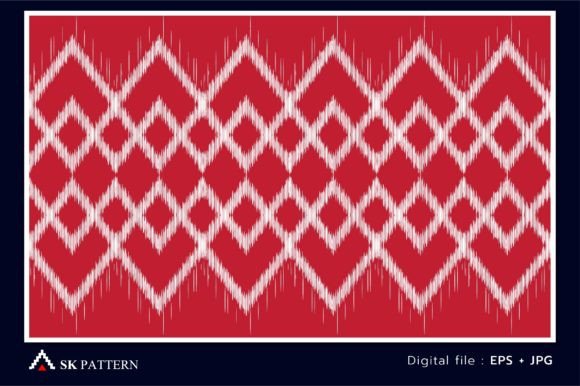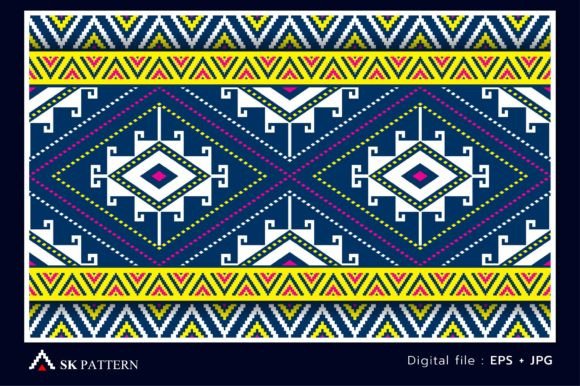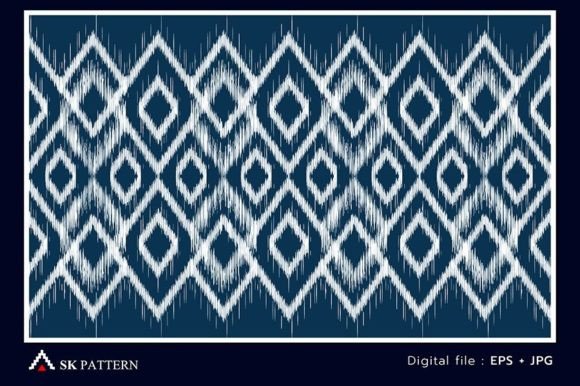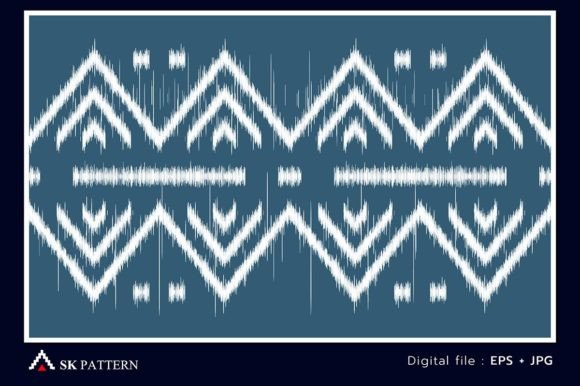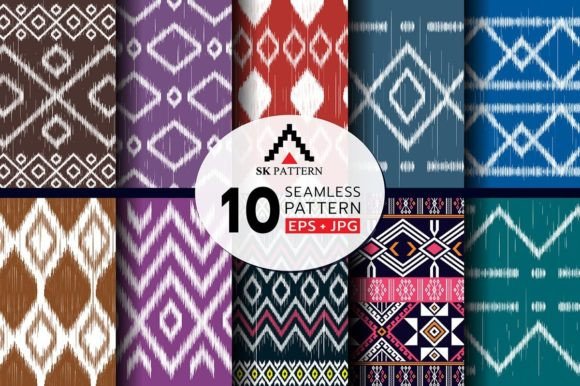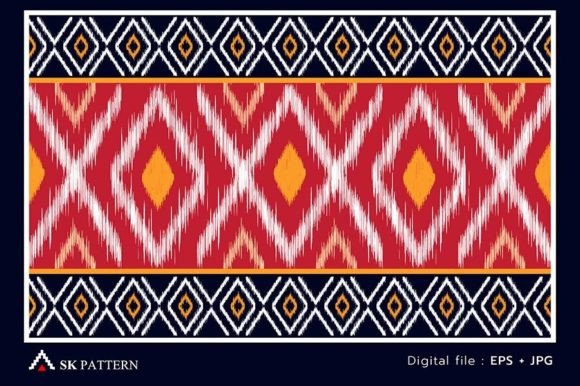
Seamless Pattern Ethnic Embroidery Review
As an embroidery designer who has spent years turning digital concepts into tactile, stitched reality, I approach every new asset with a mix of creative excitement and technical skepticism. When it comes to Seamless Pattern Ethnic Embroidery, the question isn’t just whether it looks pretty on a screen—it is whether it translates effectively into physical merchandise for small businesses. Whether you are running a boutique, managing a local café, or selling handmade goods on Etsy, your branded items need to communicate quality, consistency, and brand identity before a customer even touches them.
I recently evaluated this specific design file to determine its viability for commercial applications such as embroidered patches, staff uniforms, aprons, caps, and tote bags. Here is my professional breakdown of how this design performs in real-world business scenarios, along with practical advice for integrating it into your product line.
First Impressions: Visual Personality and Brand Fit
The title Seamless Pattern Ethnic Embroidery immediately suggests a design rooted in tradition, culture, and intricate detail. From a branding perspective, "ethnic" patterns often evoke feelings of heritage, authenticity, and artisanal craftsmanship. This makes the design particularly suitable for brands that want to project a rustic, handmade, or premium aesthetic.
For a small business owner, visual personality is everything. If your brand is modern and minimalist, this pattern might feel too busy. However, if you are a florist, a bakery, a pet brand, or a creative studio that values warmth and human connection, this design can serve as a powerful visual anchor. The seamless nature of the pattern implies versatility, suggesting that it can be repeated across larger surfaces like throw blankets, tapestries, or fabric prints without obvious breaks—a significant advantage for creating cohesive brand experiences.
The inclusion of both .eps and .jpg files provides flexibility. The vector file allows for scaling and editing, while the raster image offers a quick preview. For designers working on design assets, having multiple formats streamlines the workflow from concept to production.
Real-World Business Applications
The true test of any machine embroidery design is its application. Let us look at how Seamless Pattern Ethnic Embroidery holds up when applied to common small business merch items.
- Embroidered Patches: One of the most popular uses for intricate patterns is creating custom patches for denim jackets, backpacks, or uniform vests. Because the design is described as a pattern rather than a single focal logo, it works exceptionally well as a background texture for patches. It adds depth and perceived value to what might otherwise be a plain cloth backing.
- Apron Embroidery: For cafes, bakeries, and craft studios, aprons are walking billboards. Using this pattern as a border or a central panel on an apron can elevate a standard work shirt into a branded experience. It signals attention to detail to customers, reinforcing the idea that care goes into every aspect of the service.
- Tote Bag Design: Tote bags are essential for small business merch. A seamless pattern printed or embroidered on canvas creates a sophisticated look. If used as an embroidered accent—perhaps along the handles or the bottom hem—it adds a subtle touch of luxury without overwhelming the bag’s utility.
- Cap Embroidery: Caps require careful consideration. While a full seamless pattern may be too dense for a standard cap front, using it as a side panel detail or a back closure accent can be striking. It differentiates your brand from competitors who stick to simple text logos.
- Product Packaging Accents: Beyond apparel, this design can be used for branded tags, hangtags, or even printed labels attached to finished products. Consistency between your digital marketing and your physical packaging builds brand identity and trust.
Technical Considerations and Risk Areas
Not all designs translate equally well to stitching. As a designer, I must advise caution in several areas when working with Seamless Pattern Ethnic Embroidery.
Stitch Density and Detail: Ethnic patterns often feature fine lines and complex intersections. If the stitch density is too high, the fabric may pucker, especially on lightweight materials. Conversely, if the details are too small, they may get lost in the thread or become indistinguishable after washing. Always inspect the spacing and outline clarity before committing to bulk production.
Small Patch Sizes: When reducing a complex pattern for a small patch (e.g., under 2 inches), much of the nuance will disappear. In these cases, the design may look muddy or cluttered. It is crucial to test the design at its intended final size. If the pattern relies on negative space or thin lines, it may not hold up at miniature scales.
Fabric Texture and Color Contrast: The success of any embroidery file depends heavily on the substrate. Dark uniforms require high-contrast thread colors to make the pattern pop. Textured fabrics, such as heavy wool or rough linen, can distort fine stitches. Always perform a test run on the actual fabric you plan to use. Do not assume that a design that looks crisp on cotton will perform identically on polyester blends or fleece.
Curved Surfaces: Applying a seamless pattern to curved surfaces like caps or sleeves requires digitizing expertise. The pattern must be adjusted to follow the contour of the object, or it will appear distorted. Ensure your digitizer understands how to handle repeat patterns on non-flat planes.
Practical Designer Notes for Production
To ensure the best results when incorporating this design into your commercial embroidery projects, follow these steps:
- Test in Black and White: Before selecting thread colors, view the design in grayscale. This helps identify if the composition has enough contrast and balance without relying on color to carry the design.
- Check Hoop Size Constraints: Confirm the maximum hoop size required for the design. If you are producing many items, efficiency matters. Ensure the design fits within your machine’s capabilities without excessive re-hooping.
- Select Proper Stabilizer: The choice of stabilizer (cut-away vs. tear-away) is critical for maintaining the integrity of the pattern over time. For stretchy fabrics or frequent washing, a cut-away stabilizer is usually necessary to prevent distortion.
- Create a Printable Mockup: Use the included
.jpgfile to create a printable mockup. Show this to clients or stakeholders before production begins. Visual confirmation prevents costly errors and ensures alignment with brand identity goals. - Verify Commercial Licensing: Although the product description lists file types, it does not explicitly state licensing terms. As a business owner, you must confirm that you have the right to use this digital embroidery file for commercial merchandise. Unauthorized use can lead to legal issues.
Impact on Brand Identity and Customer Trust
In the crowded marketplace of handmade products and custom apparel, differentiation is key. High-quality embroidery conveys professionalism and durability. When a customer sees a well-executed embroidered patch or a neatly stitched logo on a tote bag, it subconsciously signals that the brand cares about quality.
Seamless Pattern Ethnic Embroidery contributes to this perception by adding a layer of artistic sophistication. It moves the product away from generic, mass-produced aesthetics and toward something that feels curated and thoughtful. This enhances customer trust and engagement, as buyers are more likely to connect with brands that demonstrate attention to detail.
Furthermore, using consistent design elements across various touchpoints—from social media graphics to physical merchandise—strengthens visual consistency. This repetition builds recognition, making your brand more memorable in a competitive landscape.
Final Verdict
Seamless Pattern Ethnic Embroidery is a versatile and visually rich asset that offers significant potential for small business owners looking to enhance their merchandise. Its strength lies in its ability to add texture, depth, and a sense of heritage to a variety of products, including aprons, caps, tote bags, and patches.
However, success depends on proper execution. By testing the design on real fabric, managing stitch density, ensuring adequate contrast, and verifying licensing, you can leverage this design to create high-value, professional-grade branded items. For those willing to invest the time in quality control, this pattern can be a valuable addition to your design assets portfolio, helping to elevate your brand presentation and drive customer loyalty.
Remember, the goal is not just to decorate, but to communicate. Use this design thoughtfully, and it will serve as a powerful tool in your handmade product strategy.