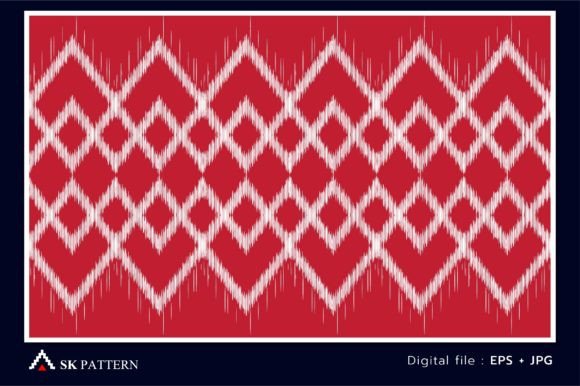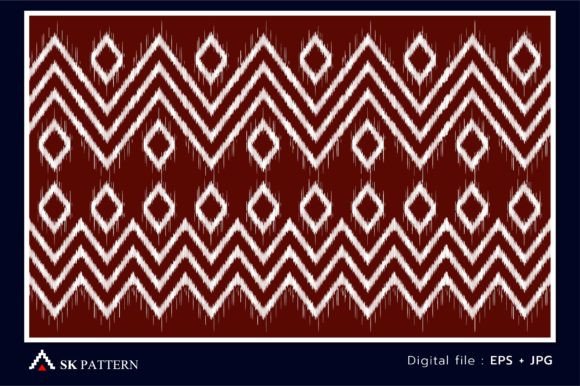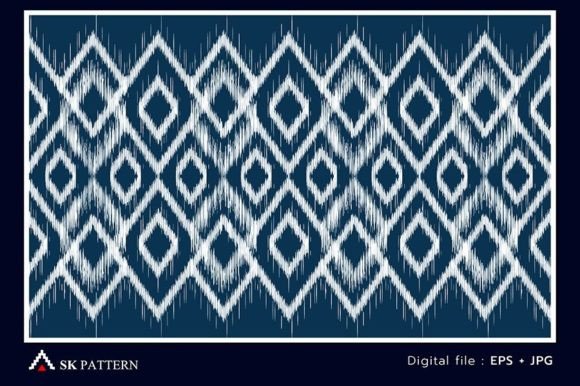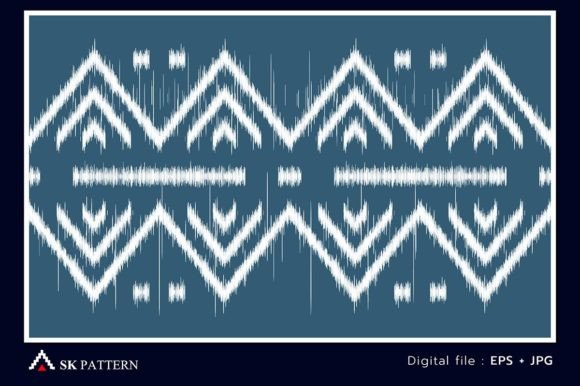
Vector Embroidery Geometric Pattern Review
As an embroidery designer who spends hours perfecting stitch paths and selecting thread palettes, I am always on the hunt for digital assets that elevate a simple garment into a boutique piece. When browsing Creative Fabrica embroidery collections, I look for designs that offer versatility without sacrificing visual impact. Recently, I came across the Vector Embroidery Geometric Pattern, and it immediately caught my eye for its potential in apparel decoration. This review explores how this specific asset fits into a modern sweatshirt or hoodie collection, offering a professional perspective on its aesthetic value and practical application.
First Impressions: Visual Personality and Mood
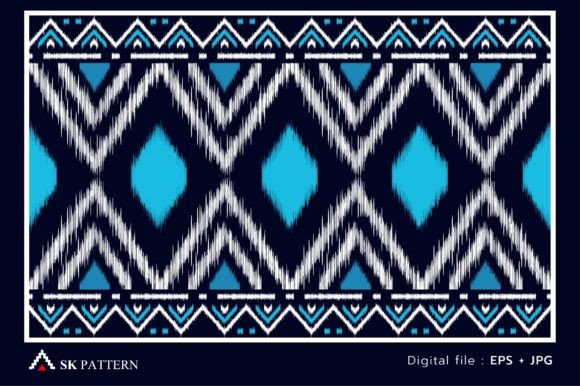
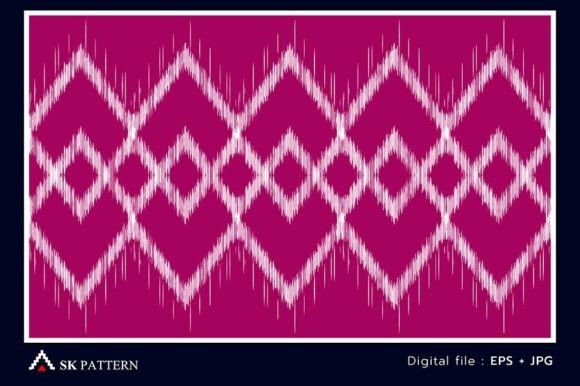
The moment you open the files included in the Vector Embroidery Geometric Pattern package, the design language speaks clearly. It is not overly ornate or cluttered; instead, it exudes a clean, structured energy. The geometric nature of the pattern lends itself to a minimalist yet bold aesthetic. In the world of custom apparel, there is a growing demand for designs that feel contemporary and sophisticated rather than whimsical or dated.
This pattern strikes a balance between being trendy and classic. It feels premium enough for a high-end streetwear brand but casual enough for everyday wear. The sharp lines and repetitive structure create a visual rhythm that draws the eye. For a boutique brand looking to establish a strong identity, this kind of consistent visual language is invaluable. It suggests quality and intentionality, which directly impacts buyer trust and product recognition.
Applying the Design to Apparel Projects
I recently imagined using this machine embroidery design for a small capsule collection of hoodies and oversized t-shirts. Here is how I envision the Vector Embroidery Geometric Pattern performing across different garments and placements:
- Sweatshirt Embroidery: On a neutral heather grey sweatshirt, this pattern can serve as a large back print or a subtle chest placement. The geometry contrasts beautifully with the soft texture of fleece, creating a tactile experience that pure prints cannot match.
- Hoodie Chest Placement: A smaller iteration of the pattern works well on the left chest area. It adds a touch of detail without overwhelming the wearer. This is perfect for Etsy sellers who want to offer personalized or branded basics.
- Sleeve Accents: Running a strip of this geometric pattern down the sleeve of a dark-colored hoodie creates a striking silhouette. It breaks up the solid color and adds a dynamic element to the garment.
- T-Shirt Embroidery: On cotton tees, the crisp lines of the vector design translate well, provided the fabric is stable. It gives a plain tee an instant upgrade, making it suitable for lifestyle product photos and social media graphics.
- Denim Jackets and Tote Bags: The durability of embroidery makes it ideal for denim. Applying this pattern to the back of a denim jacket or the front of a canvas tote bag reinforces the handmade product appeal. It signals that the item is crafted with care.
Color Strategy and Thread Selection
One of the strengths of working with a vector source file (the .eps file included) is the ability to manipulate colors before converting them to an embroidery file. While the original description mentions a .jpg preview, having the vector allows for precise color matching.
For a cohesive collection, I recommend sticking to a limited palette. Monochromatic schemes work exceptionally well with geometric patterns. Imagine white thread on black fabric for high contrast, or tonal stitching where the thread matches the garment shade for a subtle, luxurious texture. If you are targeting a feminine or playful audience, pastel threads on light-colored fabrics can soften the sharpness of the geometry. However, be mindful of thread colors that may lack sufficient contrast against darker garments, as this can cause the design to disappear visually.
Practical Designer Notes for Production
Before committing to a full production run, there are several technical considerations every small shop product creator must address. The transition from a digital graphic to a stitched reality requires careful planning.
- Test on Scrap Fabric: Always stitch out a sample on the exact fabric you plan to use. Fleece behaves differently than cotton jersey or denim. You need to see how the fabric texture interacts with the stitches.
- Check Stabilizer Choice: Geometric patterns require stability to prevent distortion. A cut-away stabilizer is often best for stretchy fabrics like sweatshirt material to ensure the design remains flat and does not pucker after washing.
- Inspect Stitch Density: Since this is a vector-based pattern, the resulting stitch density will depend on how it is digitized. Ensure the stitches are not too dense, which can make the fabric stiff, or too sparse, which might show the backing material.
- Confirm Hoop Size: Verify that your machine’s hoop size can accommodate the intended placement. Large back designs require larger hoops, which may limit the types of garments you can embroider.
- Review Licensing: Before selling finished apparel, carefully read the Creative Fabrica product details and licensing terms. Ensure you have the commercial rights to sell physical items made with this digital embroidery file.
Avoiding Common Pitfalls
While the Vector Embroidery Geometric Pattern is versatile, it is not suitable for every scenario. Avoid placing dense geometric patterns on highly curved surfaces like shoulders or collars, as the fabric tension will distort the straight lines. Similarly, be cautious with tiny lettering if combined with the pattern; clarity is key for readability.
Additionally, consider the stretch factor. If you place a rigid geometric block on a highly elastic area of a t-shirt, the garment may warp when worn. Test placement on areas with minimal stretch, such as the center back or the lower hem, to maintain the integrity of the design.
Enhancing Brand Identity and Value
Incorporating a well-designed asset like this into your product line does more than just decorate a shirt; it builds your brand identity. Consistent use of geometric motifs can become a signature style that customers recognize instantly. This visual consistency contributes to a professional presentation of your goods.
When customers see a finished product that looks professionally designed and executed, they perceive higher value. This can justify premium pricing and increase customer engagement through repeat purchases. For digital sellers or those creating printable mockups, having access to high-quality vector patterns allows you to showcase your designs in realistic ways, boosting conversion rates on platforms like Etsy.
Final Thoughts
The Vector Embroidery Geometric Pattern offers a robust foundation for creating stylish, modern apparel. Its clean aesthetic and structural clarity make it a strong candidate for commercial embroidery projects ranging from cozy seasonal outfits to edgy streetwear. By paying attention to technical details like stabilizer choice and thread contrast, you can transform this digital asset into a tangible, high-value product.
Whether you are an Etsy seller looking to expand your catalog or a creative entrepreneur building a clothing line, this pattern provides the visual punch needed to stand out. Just remember to verify all technical specifications and licensing requirements before production to ensure a smooth workflow and legal compliance. With careful execution, this design can become a staple in your embroidery file library.