Embroidery Geometric Seamless Pattern Review
When I’m scouting for a new embroidery file to add to my library, I am rarely impressed by designs that look good only on a screen. As a designer who regularly produces custom apparel and boutique goods, I need patterns that translate cleanly from digital vector to physical thread. Today, I am evaluating the Embroidery Geometric Seamless Pattern, a design asset categorized under Patterns and Graphics. My goal here is not just to describe what it looks like, but to determine if it holds up under the needle, particularly for Etsy sellers and small business owners looking to create high-quality handmade products.
First Impressions: Mood and Visual Personality
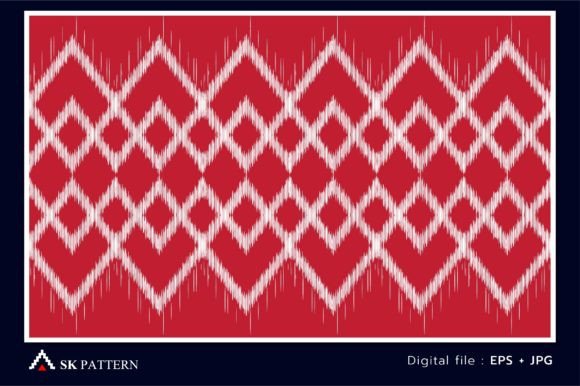
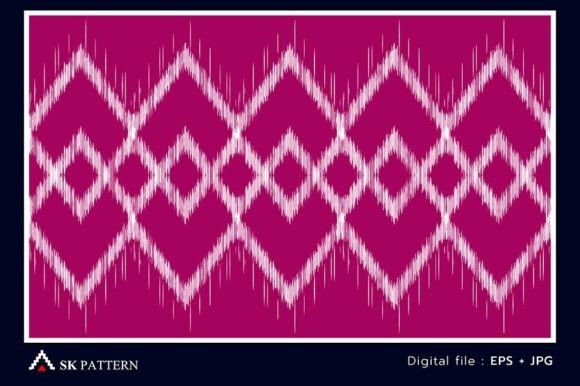
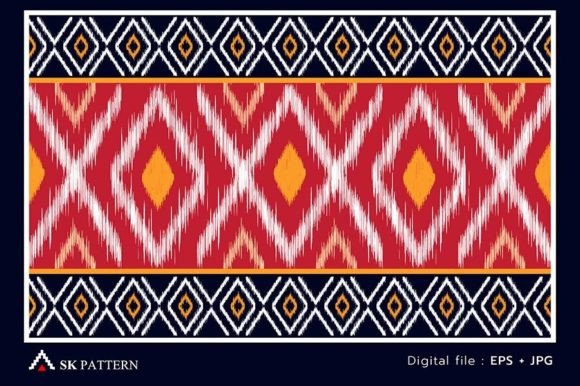
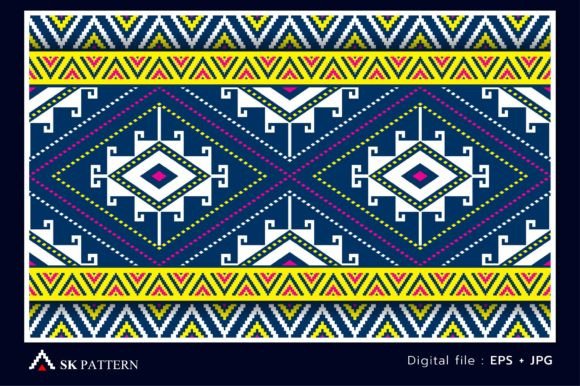
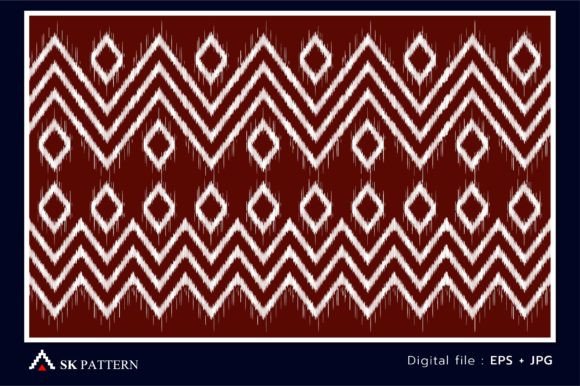
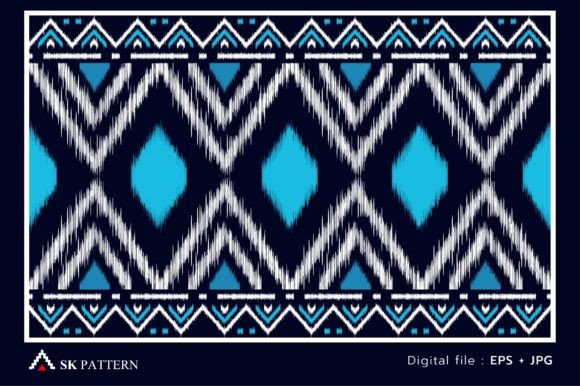
The immediate visual impact of this Embroidery Geometric Seamless Pattern is one of structured elegance. Unlike organic floral motifs or chaotic abstract splashes, this design relies on precise lines and repeating shapes. It creates a mood that is modern, clean, and highly versatile. For a small shop product owner, this is a massive advantage. The geometric nature means it pairs effortlessly with minimalist branding, making it suitable for a wide range of aesthetics.
From a layout perspective, the seamless quality is its strongest selling point. When designing for items like throw blankets or large wall art, you want a pattern that can tile without jarring interruptions. This design delivers that continuity. The detail level is balanced; it offers enough visual interest to feel substantial but avoids the clutter that often leads to stitching issues in dense areas. It feels like a design asset built for longevity rather than a fleeting trend.
Real-World Application: From Screen to Stitch
To truly judge an embroidery design, I put it through the wringer with hypothetical real-world scenarios. Let’s imagine I am preparing a custom order for a client who wants a set of luxury nursery pillows. Here is how the Embroidery Geometric Seamless Pattern performs in that context.
- Pillow Covers and Wall Art: Because the pattern repeats seamlessly, it allows for large-scale coverage. On a pillow cover, this creates a sophisticated backdrop that doesn’t overwhelm the room’s decor. The clean lines suggest a modern nursery vibe that appeals to parents looking for personalized gift options that are gender-neutral and timeless.
- Tote Bags and Tapestries: If used on a canvas tote bag, the geometric structure provides a strong graphic element. However, this requires careful attention to thread colors. A high-contrast colorway will make the pattern pop, while a tonal approach might get lost depending on the fabric texture. It works exceptionally well as a tote bag design for professional settings or university merchandise.
- Apparel and Sweatshirts: For sweatshirt embroidery, a seamless pattern can be tricky. If placed as a full-front chest piece, it needs to be scaled correctly so individual elements don’t become too small to stitch clearly. I find this design shines best when used as a sleeve accent or a back-yoke panel, where the repetition can be appreciated without competing with other garment details.
Furthermore, consider the potential for digital product sellers. This pattern is excellent for creating printable mockups. You can apply this design to digital previews of scarves, dresses, and skirts to show customers how a finished product might look before they commit to buying the physical item. It adds a layer of professionalism to your craft business listings.
Where Caution Is Required
No design is perfect for every application. While the Embroidery Geometric Seamless Pattern is robust, there are specific situations where a designer must exercise caution.
- Small Hoop Sizes: If you attempt to digitize or use this pattern in a very small hoop (under 4x4 inches), the individual geometric elements may become indistinguishable. The eye needs space to resolve the shape. Stick to medium-to-large hooping for maximum clarity.
- Textured and Stretchy Fabrics: Embroidering on jersey knits or heavily textured weaves can distort geometric lines. Curves may wobble, and straight lines might appear jagged. Always use a proper stabilizer to support the fabric structure during stitching.
- Dense Stitch Areas: While the description mentions files included - 1 eps flie - 1 jp, it does not specify the underlying stitch type (e.g., satin stitch, fill stitch, running stitch). If the design utilizes heavy fill stitches, it may become stiff and uncomfortable on garments like baby clothes or delicate scarves. Check the stitch density carefully.
- Curved Surfaces: Applying a seamless flat pattern to a curved surface like a cap or a hat crown requires advanced mapping techniques. Without proper distortion adjustments, the pattern will look warped and unprofessional.
Practical Designer Notes for Success
Before committing this design to a commercial run, I recommend following these practical steps to ensure the final finished product meets your standards.
Test on Scrap Fabric: Never skip this step. Run the design on the exact fabric you plan to sell. Observe how the thread colors interact with the material. Does the contrast hold? Does the fabric pucker?
Check Black and White Mockups: Convert the design to grayscale to check the value distribution. If the design looks muddy or unclear in black and white, it likely lacks sufficient contrast for embroidery. This is crucial for ensuring the pattern remains legible after washing and wear.
Verify Licensing and Usage Rights: Since this is a digital asset, confirm whether you have the right to sell finished items made from it. Many commercial embroidery licenses require specific permissions. Ensure you are compliant before listing your handmade product on platforms like Etsy or Amazon Handmade.
Inspect Small Details: Zoom in on the EPS file. Are there tiny isolated dots or thin lines that might break during stitching? These weak points can lead to fraying over time, especially on items that undergo frequent washing, such as kitchen towels or aprons.
Final Verdict on Value and Appeal
The Embroidery Geometric Seamless Pattern is a solid addition to any designer’s toolkit, particularly for those focused on home decor and structured apparel. Its strength lies in its versatility and modern aesthetic. It elevates simple items like plain cotton tees or basic pillowcases into premium-looking goods.
For the Etsy seller or creative entrepreneur, this design offers a low-risk, high-reward opportunity. It appeals to buyers looking for holiday gifts, wedding gifts, and personalized corporate swag because of its neutral yet stylish appeal. It supports brand consistency by providing a recognizable visual language that can be applied across multiple product types, from embroidered patches to large tapestries.
However, success depends on execution. The difference between a mediocre result and a masterpiece often comes down to thread choice, stabilizer selection, and machine calibration. By treating this embroidery project with the respect it deserves—testing thoroughly and planning strategically—you can leverage the clean beauty of this geometric pattern to create products that customers trust and love.
In summary, if you are looking for a reliable, scalable, and visually pleasing design to expand your small business merchandise line, this pattern earns a strong recommendation. Just remember to inspect the technical details in the provided files and test rigorously before mass production.