Beautiful Knitted Embroidery: A Designer’s Review for Craft Fairs
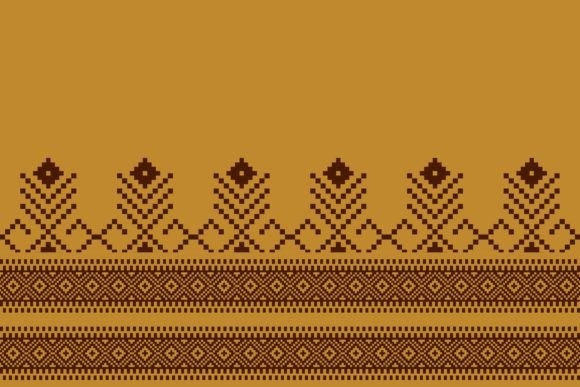
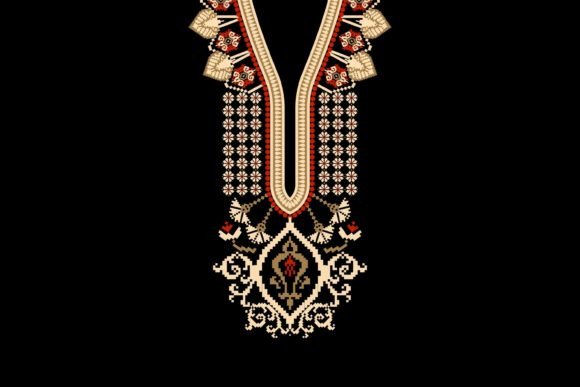
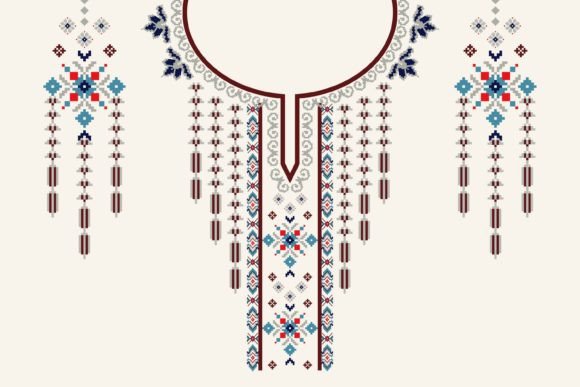
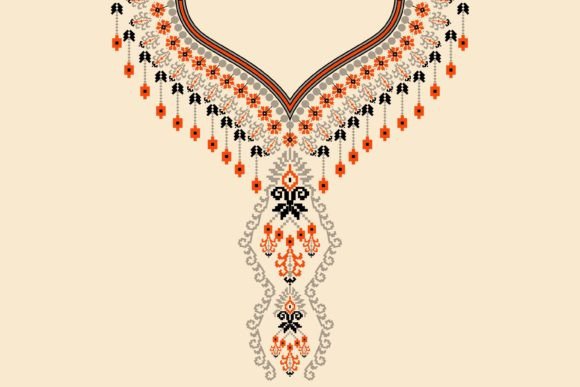
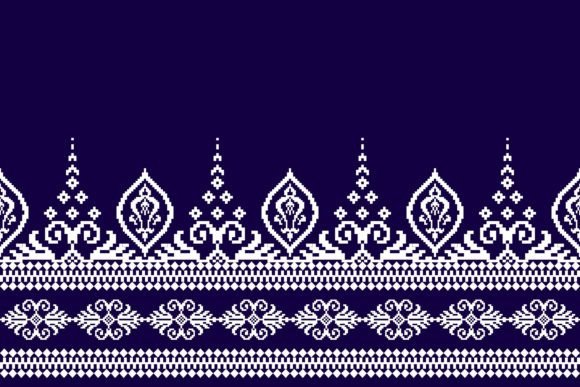
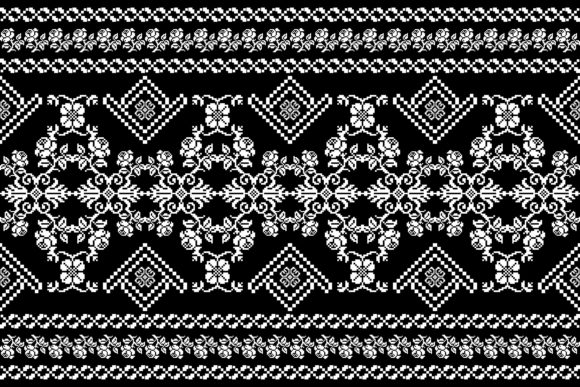
Setting up a booth for a weekend craft fair is an exercise in visual strategy. As an embroidery designer, I spend hours deciding which machine embroidery design will stop a passerby in their tracks and which one will get lost among the noise of handmade goods. Today, I am reviewing a specific asset titled Beautiful Knitted Embroidery. This piece falls under the categories of Patterns and Graphics, with a description that highlights a "beautiful lace embroidery pattern" featuring "geometric ethnic oriental pattern traditional background" in a "black and white tone." It also notes an "Aztec style," "abstract," and "vector illustration" qualities suitable for texture, fabric, clothing, and wrapping.
This review focuses on the practical application of this design for craft fair product creation. We will evaluate how it performs as a handmade product across various items like tote bags, aprons, and patches, while considering the realities of production speed, visual impact, and customer appeal.
First Impressions: Bold Geometry Meets Textural Illusion
The title Beautiful Knitted Embroidery suggests a softness, but the description reveals a sharp, structured aesthetic. The combination of "geometric ethnic oriental," "Aztec style," and "traditional background" indicates a design that is likely bold and graphic rather than delicate or whimsical. In the world of embroidery file interpretation, this distinction is critical. A design described as having a "lace" quality but rendered in a geometric, Aztec style often relies on high contrast to create the illusion of depth and texture.
For a craft fair seller, this is a double-edged sword. The black and white tone offers a modern, minimalist elegance that fits well with current trends in boutique fashion and home decor. However, because the design is abstract and vector-based, its success depends entirely on execution. If the stitch density is too low, the "knitted" or "lace" effect may look flat. If it is too high, the fabric may pucker. The first impression of this design is one of premium potential, provided the technical details are managed correctly. It feels less like a cute accent and more like a statement piece, which influences where we should place it on our merchandise.
Product Application: Where Does This Design Shine?
When preparing a table display, you want variety. Here is how Beautiful Knitted Embroidery translates to specific tote bag design and apparel applications.
Tote Bags and Market Bags
A canvas tote is perhaps the most versatile canvas for this design. The geometric nature of the pattern works exceptionally well on the large, flat surface of a tote. Because the design is described as having a "traditional background" and "Aztec style," it can serve as a focal point on the front panel. For Etsy sellers and market vendors, a black and white geometric embroidery on a natural beige or crisp white canvas creates a striking contrast that photographs beautifully for online listings. It elevates a simple cotton bag into a small shop product with perceived higher value.
Apron Embroidery and Tea Towel Embroidery
Kitchen textiles are impulse-buy staples at craft fairs. The "lace" aspect mentioned in the description might seem risky on a tea towel due to the rougher texture of terry cloth, but if the design is primarily geometric lines rather than intricate open spaces, it can work. On an apron, however, this design has strong potential. Placing the pattern vertically down the bib or horizontally across the waistband adds a sophisticated touch. The black and white theme ensures it matches any kitchen decor, making it a safe yet stylish choice for buyers looking for commercial embroidery quality at a handmade price.
Embroidered Patches and Caps
Small accessories are great for increasing average order value. The "Aztec style" and "geometric" keywords suggest that this design could be adapted into a square or circular patch. However, caution is needed here. The description mentions "tiny details" and "abstract" elements. If the original vector file contains very fine lines, reducing it to the size of a cap logo may result in a muddy blob. It is better suited for larger patches or back-of-cap designs where there is more real estate. For caps, the curved surface can distort geometric lines, so testing on scrap denim or twill is essential before committing to inventory.
Pillow Covers and Home Decor
Home decor items allow for larger format displays. A throw pillow featuring the full "traditional background" pattern can act as a centerpiece on your booth table. The "knitted" illusion, when stitched out with proper thread sheen, can mimic the look of woven textiles, adding tactile interest that customers appreciate. This type of finished product appeals to buyers looking for unique, artisanal home accents rather than mass-produced decor.
Production Realities and Technical Considerations
As a designer, my job is to ensure that what looks good on screen translates to the hoop. Here are the critical factors to consider when producing Beautiful Knitted Embroidery.
- Stitch Density and Clarity: The description mentions "dense stitch areas" implicitly through the terms "lace" and "knitted." High-density stitching can cause fabric distortion, especially on lightweight materials. You must check the stitch density of the file. If the design uses too many stitches per square inch, it may become stiff and uncomfortable to use, particularly on aprons or tote bags that need to hold weight.
- Thread Contrast: The black and white tone is elegant, but it requires precise thread selection. Using pure black and pure white thread can sometimes lead to a harsh visual edge. Consider using off-white or charcoal gray to soften the look, unless the goal is stark modernism. Also, be aware that white thread can show dirt easily, which is a concern for tea towel embroidery used in kitchens.
- Fabric Texture and Stabilizer: The interplay between the design and the fabric is crucial. On a smooth cotton tote, the geometric lines will pop. On a textured linen or a fuzzy fleece, the details may disappear. Always use the right stabilizer to support the fabric during hooping. For heavy items like aprons, cut-away stabilizer is recommended to maintain shape over time.
- Hoop Size Constraints: Before rushing into batch production, confirm the hoop size required by the design. If the "traditional background" pattern is large, you may need a multi-hooped approach, which significantly increases production time. For craft fair efficiency, designs that fit within a single 5x7 or 6x10 hoop are preferable for quick turnover.
Selling Strategy and Visual Appeal
How does this design affect buyer engagement? The "Aztec style" and "ethnic oriental" descriptors tap into popular bohemian and global-inspired trends. Customers at craft fairs are often looking for items that feel curated and worldly. Beautiful Knitted Embroidery delivers on this aesthetic without feeling overly busy, thanks to its monochromatic palette.
For your booth display, consider grouping products that feature this design together. A row of matching aprons and tea towels creates a cohesive visual block that draws the eye. Use lighting to highlight the texture of the embroidery; the "knitted" illusion relies on shadows and highlights created by the thread itself. Good lighting will make the design appear three-dimensional and premium.
Furthermore, this design is highly adaptable for digital assets. If you offer printable mockups or digital downloads alongside physical goods, the clean geometric lines of Beautiful Knitted Embroidery will scale well for smaller formats. It serves as excellent design assets for branding materials, business cards, or social media graphics, reinforcing your brand consistency across all touchpoints.
Final Verdict and Pre-Production Checklist
Beautiful Knitted Embroidery is a strong contender for a craft fair lineup, particularly for sellers targeting modern, minimalist, or bohemian aesthetics. Its versatility across tote bags, aprons, and home decor makes it a valuable addition to your digital embroidery file library. However, its success hinges on technical precision.
Before you commit to mass production, follow this checklist:
- Test on Scrap Fabric: Stitch the design on the exact fabrics you plan to sell (canvas, cotton, linen) to check for puckering and clarity.
- Review Spacing: Ensure that the geometric elements do not crowd each other, which can happen when scaling up or down.
- Confirm Commercial Licensing: Verify that you have the rights to sell finished products made from this design. Check the license terms carefully.
- Create a Real Mockup: Produce at least one full sample of your best-selling item (e.g., a tote bag) to see how the design holds up in real-world conditions.
- Compare Fabric Colors: Test the black and white threads against different fabric shades to find the highest contrast and best visual appeal.
By paying attention to these details, you can transform this graphic pattern into a tangible, desirable handmade product that stands out in a crowded marketplace. Beautiful Knitted Embroidery has the potential to be a signature element of your booth, blending artistic flair with commercial viability.