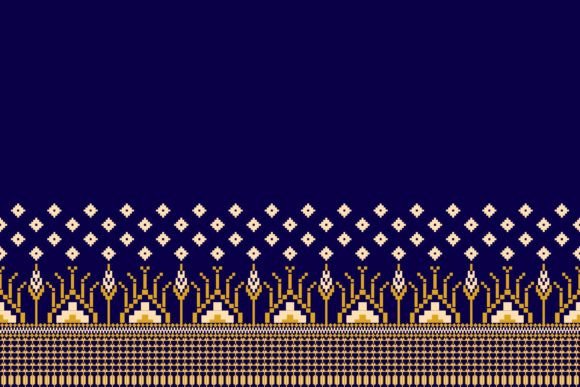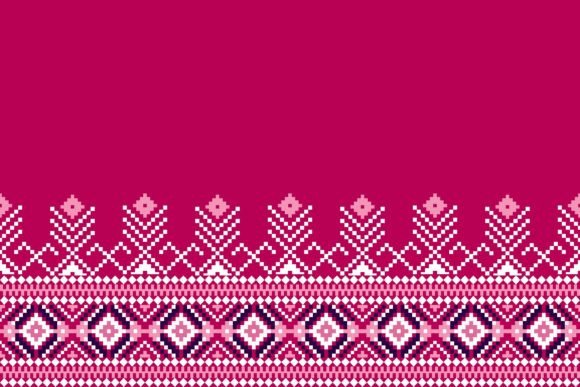
Beautiful Thai Embroidery Pattern Review
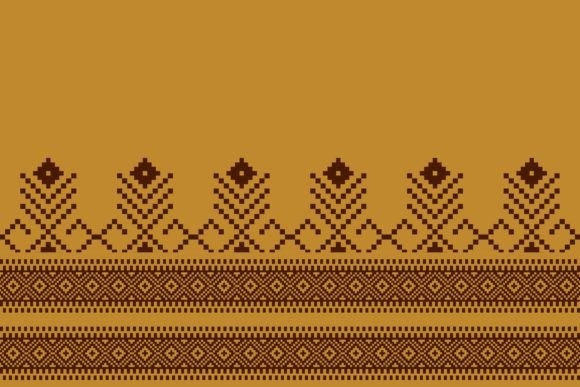
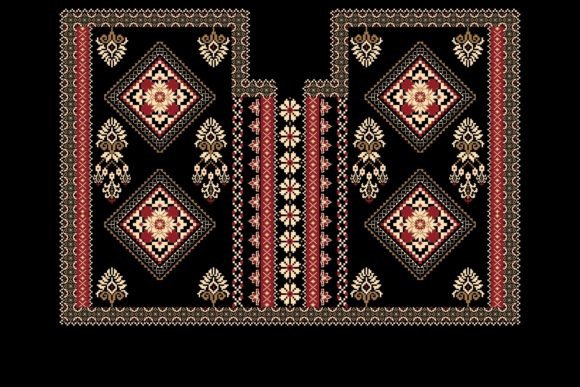
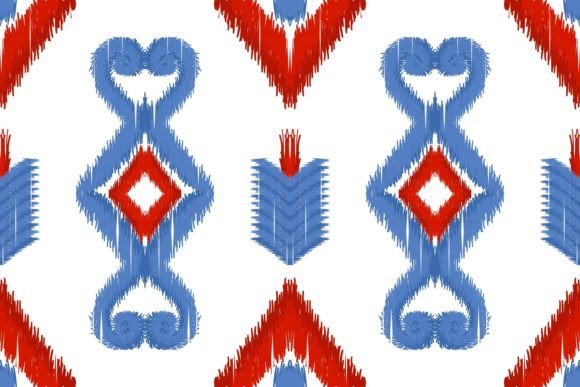
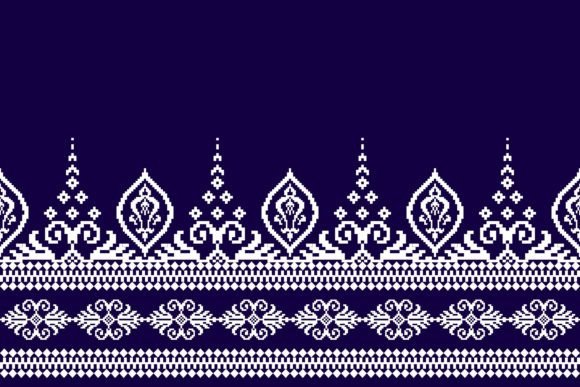
As an embroidery designer who has spent years translating digital concepts into tangible, stitched reality for small businesses, I approach every new machine embroidery design with a mix of creative enthusiasm and practical skepticism. Today, I am reviewing the Beautiful Thai Embroidery Pattern, a graphic asset described as a geometric ethnic oriental pattern on a fuchsia background. While the description mentions Aztec style elements and abstract vector illustration qualities, my focus remains strictly on its viability for commercial applications: branded patches, staff uniforms, boutique merchandise, and high-end custom apparel.
First Impressions and Visual Personality
The initial visual impact of the Beautiful Thai Embroidery Pattern is striking. The mention of a fuchsia background suggests a bold, energetic personality that stands out against neutral fabrics. However, in the world of commercial embroidery, color is merely the starting point; structure is king. The description highlights "geometric," "ethnic," and "oriental" motifs combined with "abstract" and "Aztec style" influences. This fusion creates a unique tension between traditional craftsmanship and modern graphic design.
For a small business owner—whether running a café, a handmade jewelry shop, or a creative studio—this design feels premium yet accessible. It avoids the overly rigid look of corporate logos while maintaining enough structure to convey professionalism. The geometric nature implies precision, which translates well to machine stitching, but the "abstract" and "illustration" tags warn us that there may be intricate details that require careful digitizing. It feels handmade in spirit but requires the consistency of a digital file to execute perfectly on mass-produced items like tote bags or aprons.
Real-World Business Applications
Where does this embroidered patch or design element truly shine? Based on its geometric and ethnic characteristics, it is exceptionally well-suited for brands that want to communicate heritage, artistry, or vibrant energy.
- Staff Uniforms and Aprons: For a boutique bakery or a specialty coffee shop, applying this pattern to the chest area of black or white aprons can create a cohesive team identity. The geometric lines will hold up well under frequent washing if the stitch density is managed correctly.
- Caps and Headwear: The structured nature of the pattern makes it ideal for cap embroidery. Whether used as a central logo on a trucker hat or a subtle accent on the side panel, the symmetry inherent in geometric designs ensures it looks balanced from any angle.
- Tote Bag Design: As a mark on canvas totes, this pattern adds a touch of artistic flair without overwhelming the bag. It serves as a walking advertisement that feels more like a fashion statement than a cheap promotional item.
- Product Packaging Accents: Small business owners often use embroidered labels on product packaging. A small iteration of this pattern on the neck tag of a handmade garment or the label of a scented candle box elevates the perceived value of the finished product.
- Etsy Branding and Craft Assets: For sellers on platforms like Etsy, using this design on hang tags or thank-you cards (via printable mockups) helps establish a recognizable brand identity before the customer even touches the main product.
Strategic Placement and Cautionary Zones
Not every part of a garment is created equal, and the Beautiful Thai Embroidery Pattern has specific constraints based on its detailed, geometric nature. Understanding where to place this design is crucial for avoiding production failures.
- Small Patch Sizes: If you intend to scale this down to a 2-inch patch, you must inspect the spacing closely. Geometric patterns rely on clear negative space. If the original vector illustration is too dense, reducing the size may cause the stitches to merge, turning distinct shapes into a muddy blob. Always test at actual size.
- Curved Surfaces: While caps are great, highly curved areas like the shoulders of a fitted t-shirt can distort straight geometric lines. The pattern’s rigidity might fight against the fabric’s drape, leading to puckering. Use a stabilizer designed for curves to mitigate this.
- Tiny Lettering and Details: The description mentions "illustration" and "abstract" elements. If these include fine lines or tiny text, they are risky on dark uniforms or textured fabrics like heavy denim. On dark backgrounds, light thread colors might get lost in the weave of the fabric. Conversely, on textured fabrics, the needle penetration might be inconsistent, ruining the sharpness of the geometric edges.
- High Stitch Density Areas: To maintain the integrity of the fuchsia background (if used as fill), the digitizer must balance coverage weight. Too much density can make the fabric stiff and uncomfortable, especially on items like baby clothes or lightweight summer wear.
Impact on Brand Identity and Customer Trust
Using a high-quality digital embroidery file like this directly influences customer perception. In the age of fast fashion, customers increasingly value handmade products and artisanal quality. An embroidered patch featuring a complex, culturally inspired pattern signals that the business cares about detail. It suggests that the brand is established and professional.
Visual consistency is key to building trust. If this pattern is used across multiple touchpoints—from the front of a cap to the back of a tote bag—it creates a memorable visual language. When a customer sees that consistent geometric motif, they begin to associate it with the reliability and aesthetic of your brand. This recognition drives repeat engagement and fosters loyalty, turning casual buyers into advocates.
Practical Designer Notes for Production
Before committing this design to a full production run, every small business owner or embroiderer should follow these essential steps to ensure the design assets perform as expected.
- Test in Black and White: Strip away the color. Does the geometric structure still read clearly? If the design relies solely on color contrast rather than shape, it may fail when embroidered in monochrome threads.
- Check Thread Color Contrast: The description specifies a fuchsia background. In embroidery, this likely means a solid fill stitch. Ensure the thread color chosen provides sufficient contrast against the base fabric. On dark navy or black fabric, fuchsia thread will pop beautifully, but on red or purple fabric, it may disappear.
- Inspect Spacing and Hoop Size: Verify that the hoop size required by the file matches your machine’s capabilities. More importantly, check the spacing between geometric elements. Tight spacing increases the risk of needle breaks and thread jams.
- Use Proper Stabilizer: For stable fabrics like cotton twill (caps, totes), a cut-away stabilizer is usually best. For knits, a tear-away might suffice, but given the geometric precision, stability is paramount to prevent distortion.
- Create a Printable Mockup: Before stitching, generate a printable mockup on the actual garment type. This allows you to visualize the scale and placement relative to other branding elements.
- Confirm Commercial Licensing: This is critical. The source describes this as a "vector illustration" and "graphics." Ensure you have purchased the appropriate commercial license to use this design on goods for sale. Using unlicensed patterns can lead to severe legal issues for small businesses.
- Stitch Test on Real Fabric: Never skip the sample run. Embroidery behaves differently on paper than on fabric. Watch for puckering, thread tension issues, and color accuracy during the test.
In conclusion, the Beautiful Thai Embroidery Pattern offers a compelling blend of ethnic elegance and modern geometry. For small businesses looking to elevate their small business merch from generic to distinctive, this design provides a strong foundation. By respecting its structural requirements and planning its application strategically, you can transform a simple digital file into a powerful tool for brand growth and customer connection.