Ethnic Embroidery Geometric Review
When I sit down to evaluate a new design asset for my studio, I am rarely looking for just "pretty." I am looking for viability. Can this design hold up under the needle? Will it translate well from screen to fabric? Does it have enough visual weight to justify the time investment in stitching and finishing? Today, I am putting Ethnic Embroidery Geometric through that exact gauntlet. As an experienced designer who frequently produces goods for small business owners and Etsy sellers, I need to know if this pattern is a quick win or a headache waiting to happen.
First Impressions: Mood and Visual Personality
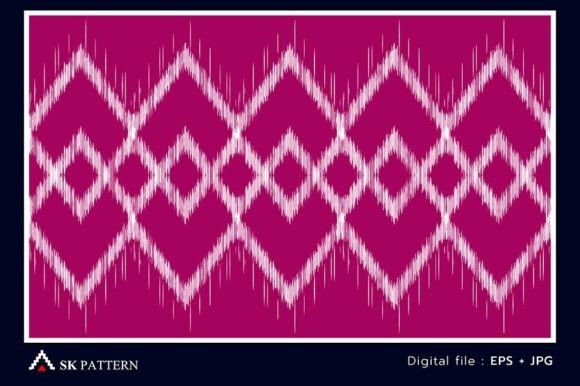
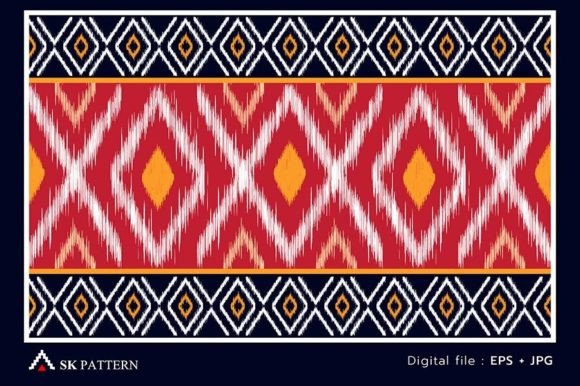
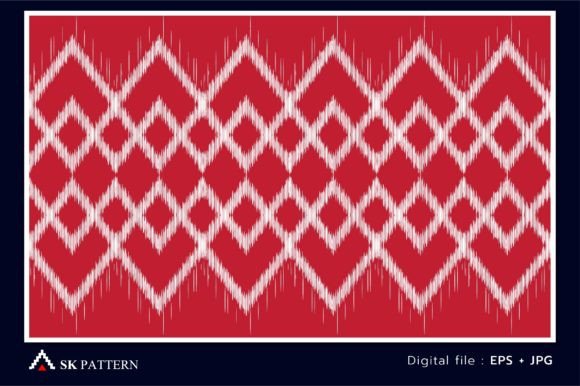
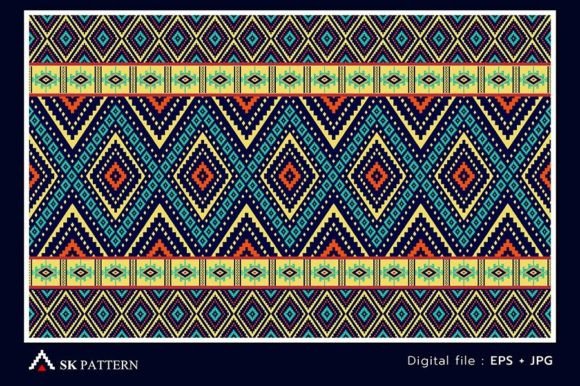
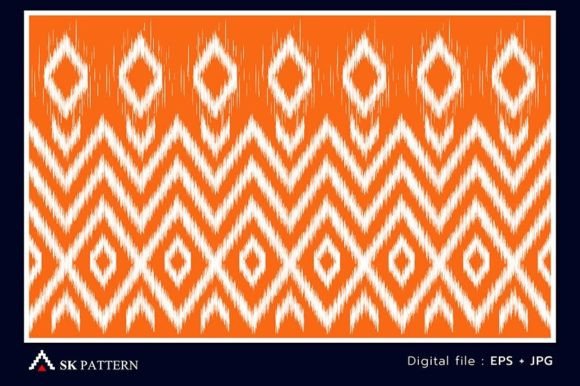
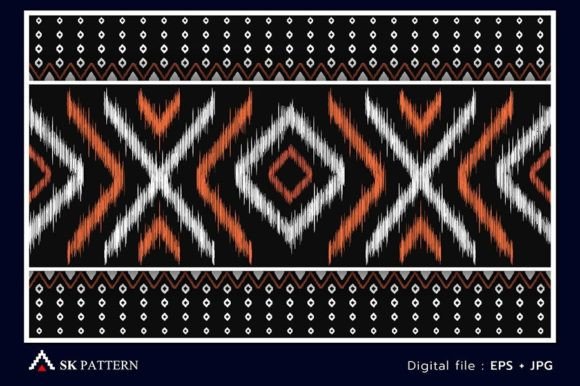
The moment you open the files included with Ethnic Embroidery Geometric, the aesthetic is immediately distinct. It carries a strong cultural resonance without leaning into cliché. The geometric structure provides a clean, modern framework, while the ethnic motifs add warmth and narrative depth. This is not a minimalist line-art piece; it has presence. For a machine embroidery design, this density is crucial because it ensures the final product looks substantial rather than sparse.
I find myself thinking about how this layout would behave on different surfaces. The symmetry suggests it was designed with intention—likely meant to be centered on a chest, placed as a focal point on a bag, or repeated as an all-over print effect via applique. The visual personality is confident but grounded. It feels like something you would see in a high-end boutique, not a mass-produced discount store. That distinction matters when you are trying to build brand trust with your customers.
Real-World Application: From Screen to Stitch
Let’s talk about practical use. I recently had a client request a custom line of home goods featuring tribal-inspired patterns. I pulled Ethnic Embroidery Geometric onto my digitizing software to test its potential. Here is how it performed in scenarios that matter to crafters and small shop product creators.
- Custom Apparel and Sweatshirts: When placed on the left chest of a heavy cotton sweatshirt, the design anchors the garment beautifully. The geometric lines cut through the fabric texture effectively, provided you choose thread colors with high contrast. It elevates a basic hoodie into a statement piece, perfect for custom apparel markets.
- Tote Bag Design: I tested this on a canvas tote. The sturdy nature of the canvas supports the design’s visual weight. However, I noted that if the design includes intricate details, they must be simplified slightly during the digitizing phase to prevent puckering on such a thick material. As a finished product, it screams "bohemian chic," which is highly searchable on platforms like Etsy.
- Home Decor and Pillows: This is where the design truly shines. On a floor pillow or a throw blanket, the pattern acts as a textile art piece. It doesn’t just decorate; it defines the room’s aesthetic. For handmade product sellers, these items command a higher price point because they feel like art rather than accessories.
- Baby Embroidery and Nursery Decor: Surprisingly, the geometric shapes soften when scaled appropriately for baby clothes or nursery wall hangings. It offers a gender-neutral option that parents often seek out. The clean lines make it easy to pair with soft pastel threads, creating a sophisticated look for personalized gift items.
Where Caution Is Required
No design is flawless, and transparency is key for any professional reviewer. There are specific situations where Ethnic Embroidery Geometric requires careful handling. If you are working with delicate materials, you need to adjust your approach.
First, avoid placing this design on stretchy knits without proper stabilization. The geometric tension can cause distortion if the fabric stretches during stitching. Second, be mindful of small hoop sizes. While the design is versatile, cramming it into a tiny area will lose the nuance of the ethnic motifs. The details become muddy, and the overall impact diminishes. If you are aiming for a subtle accent, consider using only a portion of the pattern as an applique design element rather than the whole motif.
Additionally, dark fabrics present a challenge. If you plan to stitch light threads on dark denim or black cotton, ensure your underlay stitches are dense enough to hide the base fabric. Otherwise, the background color will bleed through, ruining the crispness of the geometry. Always inspect small details before committing to the final run. A quick test on scrap fabric can save you hours of rework.
Technical Considerations for Digitizers
As a digital product seller or someone producing physical goods, understanding the technical side is non-negotiable. The package includes an EPS file and a JP file. This is excellent for vector-based editing, allowing you to scale the design without losing quality. However, remember that an EPS is a graphic, not necessarily a direct machine-readable embroidery file unless converted properly.
When preparing this for production, pay close attention to stitch density. Ethnic patterns often rely on fill stitches to create texture. If the density is too high, the fabric will pucker. If it is too low, the design will look flat and unprofessional. I recommend testing the design in black and white mockups first. This helps you evaluate the composition and balance without being distracted by thread color choices. Once the structure works, then you can experiment with thread colors.
Also, consider the end-user. If you are selling finished items, think about washability. Designs with long satin stitches or loose running stitches may snag over time. Ensure your digitizing settings account for durability. Use a proper stabilizer that matches the fabric type—cut-away for knits, tear-away for wovens. This attention to detail is what separates a hobbyist project from a reliable commercial embroidery item.
Final Verdict: Value and Versatility
Does Ethnic Embroidery Geometric belong in your design library? Absolutely. It strikes a rare balance between trend-aware aesthetics and timeless appeal. It is versatile enough for holiday embroidery collections, wedding gifts, and everyday wearables. For Etsy sellers and craft business owners, it offers a strong foundation for creating unique listings that stand out in a crowded marketplace.
The design enhances visual appeal and boosts perceived value. Customers are willing to pay more for items that look thoughtfully designed and professionally executed. By using this pattern, you signal that you care about quality and style. It works well for printable mockups as well, allowing you to showcase the design digitally before investing in physical production.
In conclusion, Ethnic Embroidery Geometric is a robust, stylish, and commercially viable asset. Just remember to test it thoroughly, respect the limitations of your materials, and always prioritize stitch quality. When done right, this design will not only meet your creative needs but also drive engagement and sales for your handmade brand.