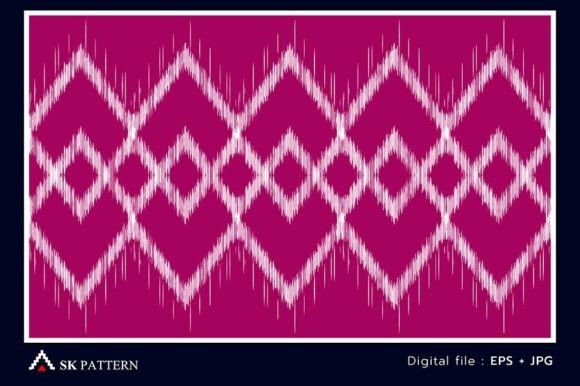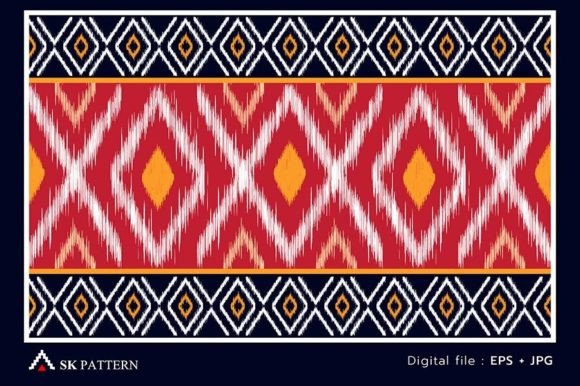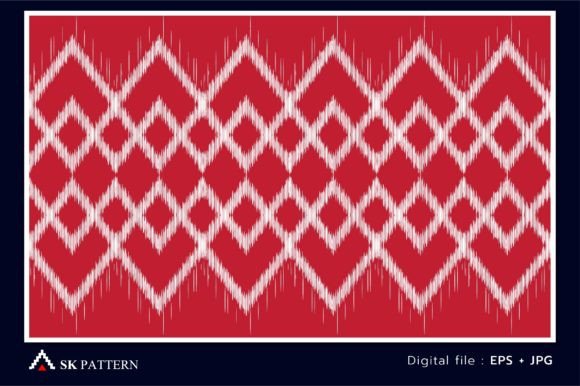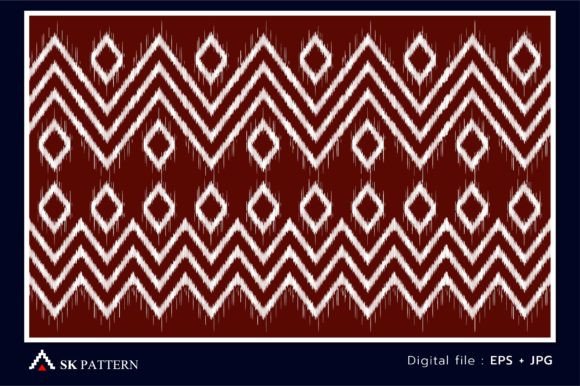
Pattern Ethnic Embroidery Geometric
Setting up a booth for a weekend craft fair is equal parts excitement and anxiety. You want your display to stop people in their tracks, but you also need items that are practical to produce and easy to sell. As an embroidery designer who has spent years turning digital files into tangible goods, I look at every new asset with a critical eye. Does it photograph well? Is it too complex for mass production? Does it fit the current aesthetic trends?
This week, I reviewed Pattern Ethnic Embroidery Geometric. On paper, it sounds like a niche item, but after analyzing its potential applications, I believe this design has serious legs for the handmade market. It sits somewhere between modern boho and rustic chic, two aesthetics that consistently perform well at artisan markets. Below is my honest review of how this machine embroidery design translates from screen to stitch, and where it fits best in your product lineup.
First Impressions: Bold, Decorative, and Versatile
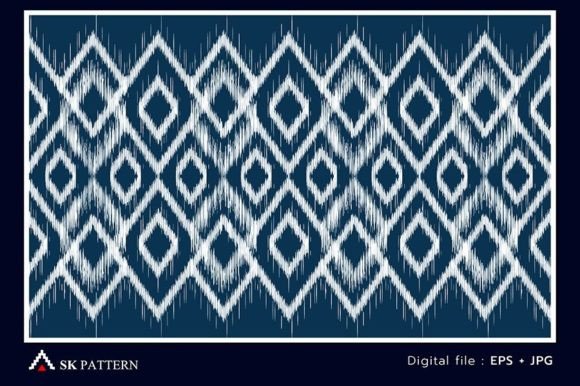
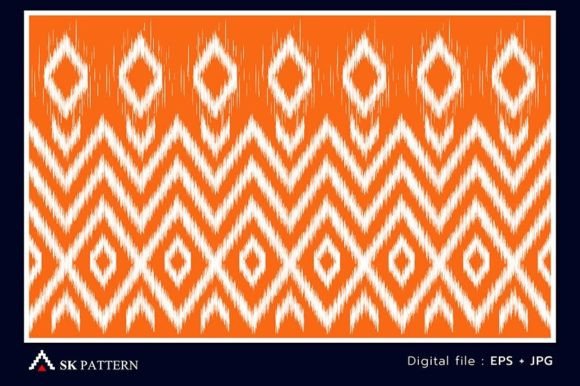
When I first loaded the preview for Pattern Ethnic Embroidery Geometric, the immediate takeaway was its strong visual presence. The title suggests an ethnic influence, which typically means rich patterns, symmetry, and cultural motifs. In practice, this translates to a design that feels premium and decorative without being overly cluttered. It isn’t "cute" in the pastel sense, nor is it strictly minimalist. Instead, it carries a weight that suggests quality.
For a craft fair seller, this distinction matters. Customers often gravitate toward items that look expensive or handcrafted by a master artisan. This embroidery file delivers on that promise. The geometric nature of the pattern ensures that it remains legible even when viewed from a distance across a crowded booth. It catches the eye because of its structure, not just its color. Whether you use it as a large focal point or a repeated accent, the design holds its own.
Best Product Applications for Market Sales
Not every design works on every product. Based on the description, which lists wall art, floor pillows, throw blankets, scarves, cushions, dresses, skirts, and gift wrapping, there is a wide range of possibilities. However, as someone who values efficiency and sales velocity, I have identified the top performers for this specific pattern.
- Tote Bag Design: A canvas tote is the quintessential craft fair product. The structured nature of a tote bag provides a flat, stable surface for embroidery. Pattern Ethnic Embroidery Geometric looks stunning centered on the front panel of a natural canvas tote. It elevates a basic accessory into a statement piece. For an Etsy seller or market vendor, this is a high-margin item that appeals to students, shoppers, and travelers alike.
- Apron Embroidery: Kitchen wear is always a hot seller. Applying this pattern to the bib or pocket area of a linen apron adds a touch of heritage style. The geometric lines complement the utilitarian shape of an apron perfectly. It turns a simple kitchen tool into a beautiful handmade product that customers love to gift.
- Tea Towel Embroidery: Similar to aprons, tea towels are low-cost, high-volume items. If the design allows for smaller placements, it works beautifully on the hem or corner of a cotton tea towel. These are impulse buys at craft fairs—items people grab because they are affordable and pretty. Ensure you test the stitch density here, as fine threads can get lost in the weave of cheap towels.
- Embroidered Patch: One of the most versatile uses for this file is creating iron-on or sew-on patches. You can apply Pattern Ethnic Embroidery Geometric to denim jackets, backpacks, or beanies. Patches allow customers to personalize their own gear, which increases engagement at your booth. They are also easier to ship for online orders, making them a favorite for digital sellers.
- Pillow Covers and Cushions: Home decor is a massive category. The description mentions floor pillows and cushions, which aligns perfectly with the boho trend. A large geometric pattern on a textured fabric pillow cover looks luxurious. This is a higher-ticket item that showcases your skill level and justifies a higher price point.
Production Practicality and Visual Appeal
Beyond how it looks, we must discuss how it performs during production. A design might be beautiful on screen but a nightmare to embroider. Here is what to consider when preparing Pattern Ethnic Embroidery Geometric for batch production.
Photography and Online Listings: In today’s market, your printable mockup is as important as the physical item. Because this pattern is geometric and bold, it photographs exceptionally well. The contrast between the thread colors and the fabric background will pop in images. When creating listings for platforms like Etsy, ensure you show close-ups of the texture. The geometric lines create shadows and depth that add perceived value to the finished product.
Batch Production Efficiency: Can you make ten of these in an afternoon? If the design has too many color changes or tiny, intricate details, it slows down production. Generally, ethnic geometric patterns rely on larger blocks of color and clean lines, which tend to run faster than floral designs with delicate shading. Check the digitizing notes for estimated run time. If it runs efficiently, you can increase your output and boost your booth inventory.
Brand Consistency: Using a cohesive pattern like this helps build a recognizable brand identity. If you use Pattern Ethnic Embroidery Geometric across multiple product types—totes, pillows, and scarves—it creates a unified collection. Buyers appreciate curated sets. It signals that you are a professional small shop product creator, not just a hobbyist.
Careful-Use Notes and Technical Checks
Before you commit to producing a full line of goods, there are technical pitfalls to avoid. Even experienced designers make mistakes if they skip the testing phase.
- Stitch Density and Fabric Texture: Geometric patterns often involve satin stitches or dense fill areas. If you embroider this on a highly textured fabric, like a heavy boucle or a loose-weave basket weave, the needle may struggle, or the design may distort. Always test on scrap fabric that matches the final material. For tea towel embroidery, use a cut-away stabilizer to prevent puckering.
- Thread Contrast: The success of any embroidery design relies on contrast. If you use dark thread on dark fabric, the geometric details will vanish. Conversely, very light thread on white fabric may lack definition. Choose thread colors that stand out against your chosen fabric. Neutral tones like cream, rust, navy, or olive green often work best with ethnic patterns.
- Hoop Size and Placement: Confirm the required hoop size before starting. Some geometric patterns require large hoops to maintain their proportions. If you try to shrink it down too much, you risk losing clarity. Tiny details can merge together, making the design look muddy. If you plan to use this on small items like caps or pouches, ensure the design scales down cleanly. Curved surfaces, like caps, can distort straight geometric lines, so pay attention to the curvature of your hooping frame.
- Commercial Licensing: This is crucial. The description mentions files included, but it does not explicitly state the license terms. Before selling finished products, verify that you have commercial rights to use Pattern Ethnic Embroidery Geometric. Most reputable sources provide clear guidelines, but assuming you can sell is a risky business move. Protect your income by confirming the commercial embroidery permissions.
Final Verdict for Craft Fair Sellers
Pattern Ethnic Embroidery Geometric is a strong addition to any embroidery designer’s library. It bridges the gap between traditional craft aesthetics and modern home decor trends. Its bold, structural nature makes it ideal for high-visibility items like totes and pillows, while its versatility allows for creative use in accessories and gifts.
For the craft fair vendor, this design offers a balance of visual impact and production feasibility. It photographs well, appeals to a broad audience, and can be produced efficiently if tested correctly. By focusing on quality materials, proper stabilizers, and strategic placement, you can turn this digital embroidery file into a standout handmade product that drives sales.
Take the time to create a few real mockups. Experiment with different thread colors and fabric textures. See how the pattern interacts with the environment of your booth. With careful planning, Pattern Ethnic Embroidery Geometric could become one of the best-selling items in your collection, helping you build a loyal customer base and a reputation for premium, thoughtful craftsmanship.