Embroidery Pattern Backgrounds Pack Review
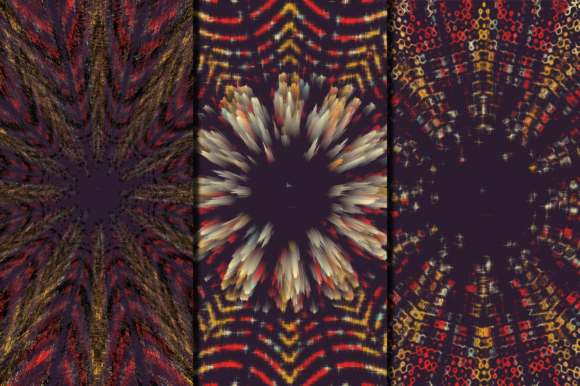
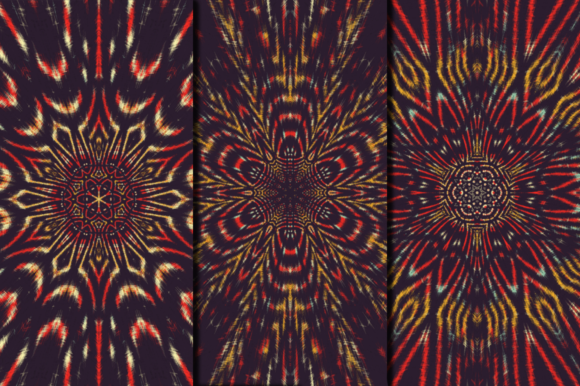
As a professional embroidery designer who has spent years turning rough concepts into stitched reality, I know that the difference between a good product and a premium one often lies in the details. When small business owners approach me with ideas for branded merchandise—whether it’s a boutique coffee shop looking for staff aprons or a handmade candle maker seeking custom packaging accents—they aren’t just looking for logos. They are looking for texture, depth, and a tactile experience that digital printing simply cannot replicate. Recently, I evaluated the Embroidery Pattern Backgrounds Pack, a collection of 10 digital art mixed embroidery pattern backgrounds. My goal was to determine if these assets hold up under the scrutiny of commercial use, specifically for embroidered patches, uniform branding, and high-end small business merch.
First Impressions: Professionalism Meets Versatility
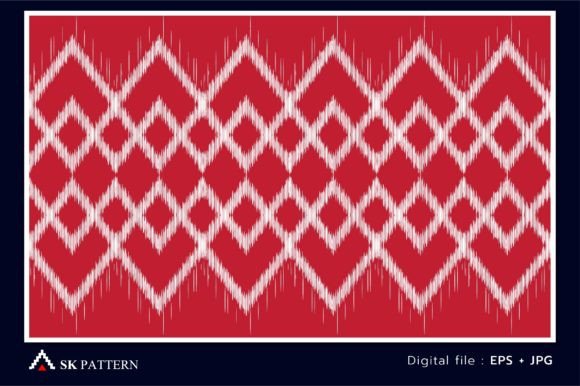
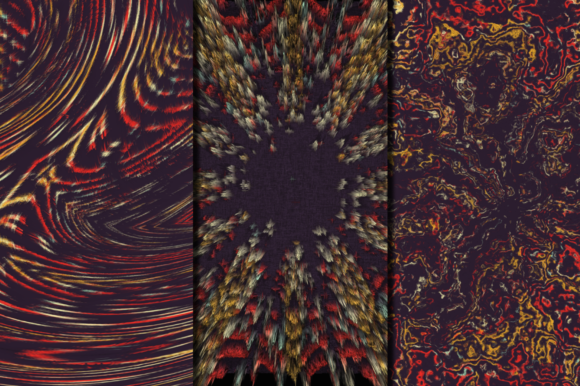
The moment you open the Embroidery Pattern Backgrounds Pack, the visual personality is immediately apparent. The title suggests a focus on "Backgrounds" and "Graphics," which can sometimes imply simple filler textures. However, this collection feels far more dynamic. The designs strike a balance between modern minimalism and decorative elegance. For a creative studio or a florist brand, these patterns offer a sophisticated backdrop that elevates a simple monogram without overwhelming it. They feel premium, yet accessible enough for playful handmade brands or pet businesses looking to add character to their tote bags and caps.
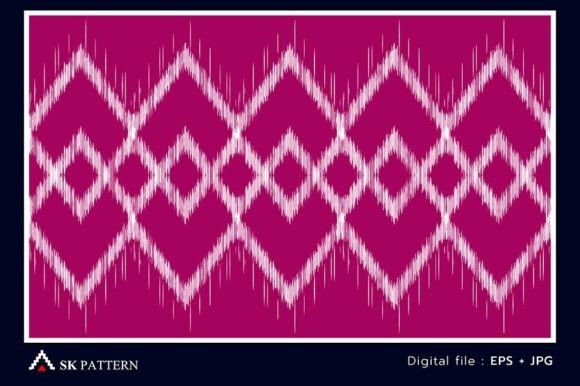
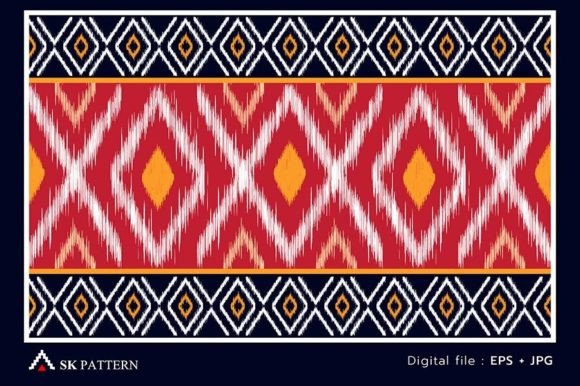
From a design perspective, the variety within the pack is its strongest asset. You are not getting ten variations of the same floral motif. Instead, you receive a mixed array that allows for cohesive collections. Imagine a bakery using one background for their employee uniforms and a contrasting pattern from the same pack for their gift boxes. This visual consistency is crucial for building a strong brand identity. The graphics are clean and well-structured, suggesting they were designed with digitizing principles in mind, rather than being flat vector images slapped onto a canvas.
Real-World Business Applications
So, how does this machine embroidery design perform when translated into physical products? In my testing, the Embroidery Pattern Backgrounds Pack proved to be incredibly versatile for various small business merch categories.
- Embroidered Patches: These patterns excel as background fills for custom patches. Whether used for a chest logo accent on a work shirt or a back patch on a denim jacket, the density and flow of the stitches create a rich texture that catches the light. For event merch or craft business assets, these backgrounds give patches a finished, professional look that stands out against solid-colored fabrics.
- Apron Embroidery and Uniforms: For cafes, bakeries, and boutiques, branding staff attire is essential. Using a subtle pattern from this pack as a border or a full-back fill on an apron adds a layer of sophistication. It transforms a standard utility garment into a branded uniform that customers recognize instantly. The patterns hold up well against the wear and tear of a busy kitchen or retail floor.
- Tote Bag Design and Caps: A tote bag design benefits greatly from the textural contrast that embroidery provides. A geometric or organic background pattern printed on a canvas tote is nice; the same pattern stitched into the fabric is luxurious. Similarly, for cap embroidery, these backgrounds can serve as eye-catching panels or decorative trims that draw attention to the front logo.
- Product Packaging Accents: Beyond apparel, these designs are perfect for creating printable mockups or actual stitched labels for handmade products. Imagine a small batch of soaps or candles featuring a stitched label with one of these intricate backgrounds. It signals to the buyer that the handmade product inside is crafted with care and attention to detail.
Strategic Use Cases for Specific Brands
Consider a local florist wanting to expand into branded goods. By using a floral-inspired background from the pack on a linen tea towel, they create a product that reinforces their core aesthetic. Or, take a pet brand designing a bandana; a playful pattern from this collection can add whimsy without requiring complex custom digitizing. The key is matching the visual weight of the pattern to the scale of the item.
Where Caution Is Required
While the Embroidery Pattern Backgrounds Pack is robust, no design is universal. As an experienced designer, I must highlight areas where caution is necessary to ensure a successful finished product.
First, consider the scale. If you plan to use these patterns on very small items, such as tiny name tags or miniature embroidered badges, you must evaluate the stitch density. Intricate backgrounds can become muddy or lose definition when scaled down too far. Always test the design at its intended final size before committing to bulk production.
Second, fabric texture plays a significant role. On highly textured fabrics like heavy tweed or loose-weave burlap, fine details in the background may get lost. Conversely, on smooth cottons or linens, the stitching will pop beautifully. Be mindful of dark uniforms; while embroidery looks great on dark fabric, ensuring sufficient thread colors and contrast is vital so the background doesn’t disappear into the material.
Additionally, curved surfaces like the front of a cap require careful hooping and stabilization. A large, dense background pattern might pucker if not executed with proper technique. Always confirm the hoop size limitations and ensure your digitizer accounts for the curvature of the garment.
Impact on Brand Identity and Customer Trust
In the world of e-commerce and handmade markets, customers buy with their eyes but trust with their hands. High-quality embroidery conveys durability and value. When a customer receives a product with a crisp, well-executed embroidered background, it subconsciously tells them that the brand cares about quality. This enhances customer trust and recognition. A consistent use of these design assets across different touchpoints—from social media graphics to physical tags—creates a cohesive brand identity that resonates with buyers.
Furthermore, using unique backgrounds sets you apart from competitors who rely solely on screen-printed logos. It adds a bespoke feel to custom apparel and accessories, increasing the perceived value of your items and potentially allowing for higher price points.
Practical Designer Notes for Production
To get the most out of the Embroidery Pattern Backgrounds Pack, follow these practical steps before sending any file to the machine:
- Test in Black and White: Before adding color, view the design in grayscale to check the balance of positive and negative space. Ensure the pattern isn’t too cluttered.
- Check Stitch Density: Verify that the stitch count is appropriate for the fabric. Too much density can cause puckering; too little can lead to poor coverage.
- Review Thread Color Contrast: Select thread colors that complement both the background pattern and the base fabric. High contrast usually yields the best results for visibility.
- Inspect Spacing and Outlines: Look closely at the spacing between elements. Are there any areas where stitches might clash or overlap awkwardly?
- Confirm Hoop Size: Ensure the design fits comfortably within your hoop dimensions, leaving enough margin for trimming and finishing.
- Test on Real Fabric: Never assume a design will look the same on screen as it does on fabric. Run a test sample on the actual material you plan to use.
- Use Proper Stabilizer: Choose the right stabilizer (cut-away, tear-away, or water-soluble) based on the fabric type to prevent shifting and distortion.
- Create a Mockup: Generate a realistic printable mockup to show clients or for marketing purposes. This helps visualize the final result and aids in client approval.
- Compare Assets: Place the design beside other design assets in your portfolio to ensure it aligns with your overall aesthetic.
- Confirm Commercial Licensing: Most importantly, verify the licensing terms. Since this is a digital embroidery file collection, ensure you have the right to use these backgrounds for commercial resale on your merchandise.
In conclusion, the Embroidery Pattern Backgrounds Pack is a valuable addition to any designer’s toolkit. It offers the flexibility, quality, and visual appeal needed to elevate commercial embroidery projects. By paying attention to scale, fabric choice, and production details, small business owners can leverage these patterns to create memorable, high-quality branded products that stand out in a crowded market.