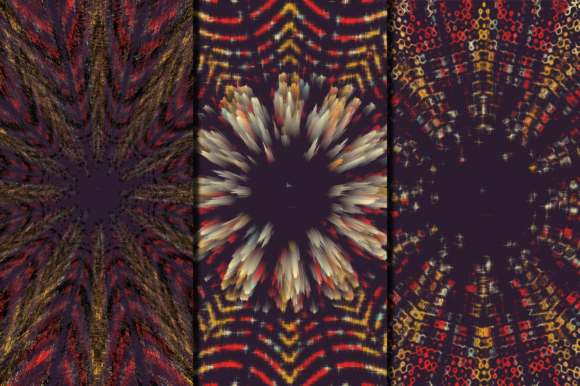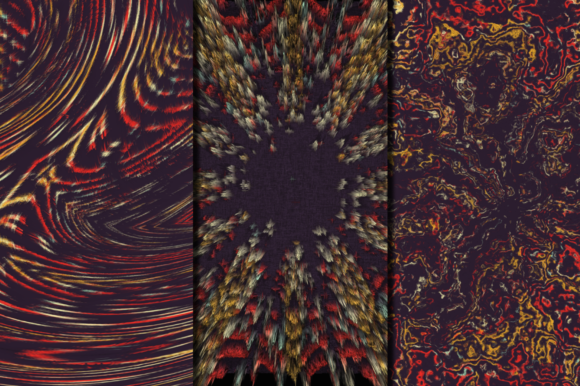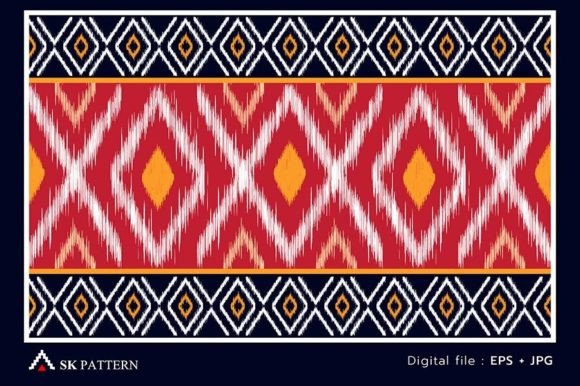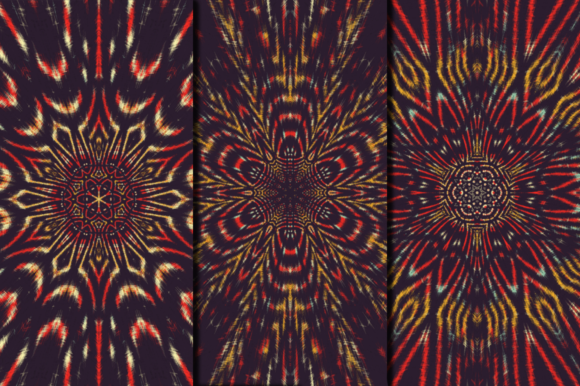
Embroidery Fabric Texture Backgrounds Review
As an embroidery designer who has spent years turning digital concepts into tangible, stitched reality for small businesses, I know that the difference between a good product and a premium one often lies in the details. Today, I am reviewing Embroidery Fabric Texture Backgrounds, a collection of 10 digital art mixed designs intended to serve as foundational elements for your creative projects. This is not just about adding a pretty background; it is about understanding how these graphics function when translated into thread on fabric for branded merchandise.
For small business owners, Etsy sellers, and merch creators, the visual identity of your products is everything. Whether you are designing embroidered patches, staff uniforms, or boutique accessories, the texture and depth of your design communicate quality before a customer even touches the item. In this review, we will explore how Embroidery Fabric Texture Backgrounds can elevate your brand identity, where they shine in real-world applications, and what technical considerations every designer must keep in mind before sending them to the hoop.
First Impressions: Professionalism Meets Handmade Charm
When you first look at a collection described as "Mixed Embroidery fabric texture backgrounds," you need to ask yourself: does this feel authentic? The immediate impression of Embroidery Fabric Texture Backgrounds is one of tactile warmth. Unlike flat vector fills, fabric textures imply weight, weave, and craftsmanship. For brands aiming for a rustic, handmade, or premium aesthetic, this is invaluable.
The variety within the collection suggests versatility. You might find designs that lean towards elegant linen weaves, rugged denim textures, or playful cotton blends. This range allows a local café to add a cozy, inviting feel to their apron embroidery, while a sleek creative studio might use a cleaner, more modern texture for their cap embroidery. The key here is that these are not merely decorative borders; they are atmospheric tools that set the tone for your small business merch. They bridge the gap between digital graphic design and physical textile art, offering a level of sophistication that simple solid-color fills cannot achieve.
Real-World Applications for Branded Merchandise
The true test of any embroidery file is its performance in production. How does Embroidery Fabric Texture Backgrounds hold up when applied to actual products? Let’s look at several high-value use cases for small businesses and crafters.
- Custom Apparel and Aprons: For bakeries, florists, or boutique retail staff, uniformity is key. Using these textures as a backdrop for a logo or name creates a cohesive look. Imagine a barista’s apron featuring a subtle canvas texture behind the shop’s name. It adds depth without overwhelming the text, making the custom apparel feel like a high-end garment rather than a generic promotional item.
- Embossed Patches and Badges: One of the most popular items for commercial embroidery is the embroidered patch. These backgrounds work exceptionally well as the base layer for patches. By using a textured background, you can create a borderless patch effect that looks integrated into the fabric. This is perfect for pet brands looking to add a unique tag to collars or for handmade jewelry makers attaching labels to pouches.
- Tote Bag Design Elements: Canvas tote bags are a staple for market vendors and eco-friendly brands. A tote bag design that incorporates a subtle fabric texture can mimic the look of woven material, creating a monochromatic, sophisticated aesthetic. It reinforces the idea of sustainability and natural materials, which resonates deeply with modern consumers.
- Caps and Headwear: Cap embroidery often suffers from limited space. However, if you have a structured cap front, a small square or circle containing one of these textures can serve as a striking accent behind a minimalist icon. It adds a "hidden detail" that discerning customers appreciate.
- Product Packaging and Labels: Beyond clothing, these designs can be used to create printable mockups or actual fabric labels. If you sell handmade goods, a sewn-in label with a textured background feels far more luxurious than a printed paper tag. It elevates the unboxing experience and increases perceived product value.
Where Caution Is Required: Technical Limitations
While the aesthetic potential is high, an experienced designer knows that beauty must be balanced with technical feasibility. Not every texture translates perfectly to machine stitching. Here are the critical areas where you must exercise caution when using Embroidery Fabric Texture Backgrounds.
Small Patch Sizes and Detail Loss: If you attempt to scale these textures down too much, especially on tiny patches or intricate cap logos, you risk losing definition. Fine thread colors may blend together, turning a beautiful weave pattern into a muddy blob. Always check if the design works at the smallest size you plan to produce. If the texture relies on fine contrast, it may only be viable at larger sizes.
Stitch Density and Fabric Weight: Textures often require dense stitching to simulate the look of woven material. High stitch density can cause puckering, especially on lightweight fabrics or curved surfaces like sleeve cuffs. Ensure you are using the correct stabilizer to support the fabric during stitching. Without proper stabilization, the tension from the dense background stitches can distort your final product.
Thread Color Contrast: The success of a texture depends heavily on the interplay of light and shadow created by different thread colors. On dark uniforms or black caps, lighter threads may struggle to pop, reducing the visibility of the texture. Conversely, on very light fabrics, dark threads might appear harsh. Test your color combinations rigorously. A texture that looks stunning on screen might disappear against a navy blue work shirt.
Curved Surfaces and Hoop Limits: Remember that embroidery machines work within a hoop size constraint. Complex textures that require large area coverage may not fit on standard hoops, or may require re-hooping, which can misalign the design. Additionally, curving a textured background around a hat crown can stretch the stitches unevenly. Flat surfaces like tote bags and aprons are generally safer bets for complex textures.
Strengthening Brand Identity Through Texture
In the crowded marketplace of Etsy branding and online stores, visual consistency is a major driver of customer trust. Using Embroidery Fabric Texture Backgrounds consistently across your product line—from your website’s digital assets to your physical merchandise—creates a strong, recognizable brand language. It signals that you pay attention to detail and care about the tactile experience of your customers.
When a customer receives a package containing a product with a beautifully executed textured label or patch, it reinforces the perception of professionalism. It moves the brand away from "cheap promo item" territory and into "handcrafted luxury." This emotional connection drives repeat purchases and word-of-mouth referrals. By integrating these design assets thoughtfully, you are not just selling a product; you are selling an experience rooted in quality and authenticity.
Practical Designer Notes for Production
Before you commit to printing or embroidering these designs at scale, follow this checklist to ensure success:
- Test in Black and White: Convert your design to grayscale first. This helps you evaluate the contrast and structure of the texture without being distracted by color choices. If it doesn’t work in mono, it won’t work in color.
- Review Spacing and Density: Zoom in on the digital file. Are the gaps between stitch lines too wide? Will they show too much of the underlying fabric, breaking the illusion? Adjust the density settings in your embroidery software if necessary.
- Confirm Commercial Licensing: Since this is a digital asset, verify that your license allows for commercial use on merchandise you intend to sell. Some digital graphics are restricted to personal use only.
- Create a Printable Mockup: Before spending hours on the machine, place the design on a realistic photo mockup of a tote bag or shirt. This helps you visualize how the texture interacts with the product shape and lighting.
- Test on Real Fabric: Screen colors differ significantly from thread colors on fabric. Always run a sample on the actual material you plan to use, including the specific stabilizer you will employ.
Ultimately, Embroidery Fabric Texture Backgrounds offers a powerful tool for designers looking to add depth and character to their work. By understanding its strengths and respecting its technical limitations, you can create memorable, high-quality merchandise that stands out in any market. Treat these designs as foundational elements of your brand story, and they will reward you with increased engagement and customer loyalty.