Skeleton Hands Embroidery Review
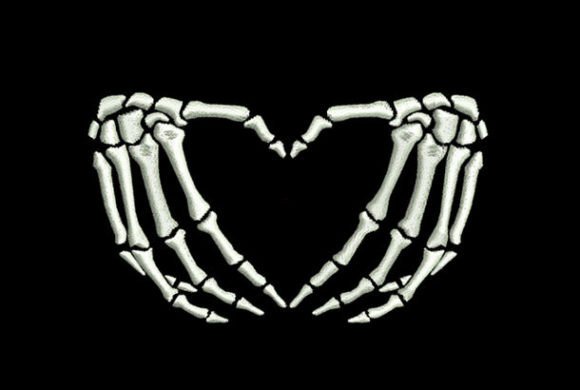
As an embroidery designer who spends most of my days balancing stitch counts, fabric tension, and brand aesthetics, I am always on the lookout for designs that offer more than just a quick seasonal fix. When browsing Creative Fabrica embroidery collections for upcoming boutique apparel lines, I recently came across a design titled Skeleton Hands. At first glance, it seems like a standard Halloween motif, but upon closer inspection of its visual personality and potential application, it reveals itself as a versatile asset for any handmade product or small shop product line.
This review explores how this specific machine embroidery design might perform when integrated into a curated collection of sweatshirts, hoodies, and lifestyle accessories. Whether you are an Etsy seller looking to expand your catalog or a custom apparel decorator aiming for a unique aesthetic, understanding the nuances of this design is crucial before committing to production.
First Impressions: Visual Mood and Design Strength
The immediate appeal of the Skeleton Hands design lies in its balance between playful and edgy. Unlike some skeleton motifs that can feel overly cartoonish or frightening, this design strikes a chord that feels modern and trendy. It possesses a decorative strength that works well for both boutique brand identities and casual streetwear vibes.
When visualizing this design on various garments, the mood shifts depending on the context. On a neutral-toned garment, the bones appear crisp and graphic, offering a minimalist yet bold statement. On darker fabrics, the design gains a mysterious, rustic quality that resonates with fall and winter fashion trends. The detail level is sufficient to hold attention without becoming cluttered, which is essential for maintaining a premium look in finished products. It feels neither too feminine nor strictly masculine, making it a unisex-friendly option for broader market appeal.
Applying Skeleton Hands to Apparel Collections
For designers planning a cohesive collection, the adaptability of this embroidery file is its strongest selling point. Here is how it translates across different garment types and placements:
- Sweatshirt Embroidery: This is perhaps the most natural home for the design. Placed centrally on the chest of a heavyweight cotton blend sweatshirt, the Skeleton Hands design anchors the outfit. It adds texture and interest to what might otherwise be a plain staple piece.
- Hoodie Chest Placement: For a more subtle approach, positioning the hands near the left chest area creates a sophisticated, understated look. This placement is highly effective for corporate swag or branded merchandise where full-front graphics might be too loud.
- Sleeve Accents: Running the design vertically along the sleeve cuff or down the forearm adds a dynamic element. It catches the eye during movement and enhances the fabric texture of knit materials.
- Back Designs: For oversized garments, a larger back print featuring the skeleton hands can serve as a focal point. This works exceptionally well for social media graphics and lifestyle product photos, where the back view is often showcased.
- T-Shirt Embroidery: While t-shirts have less bulk, the design holds up well if the stitch density is appropriate. It offers a lighter alternative to screen printing, appealing to customers who prefer the tactile quality of embroidery.
- Tote Bag Design: Beyond apparel, this design translates beautifully to canvas tote bags. It elevates a simple accessory into a fashionable item, perfect for digital sellers creating printable mockups or physical goods.
Strategic Considerations for Different Fabrics
Not all surfaces are created equal. As a professional, I advise testing the Skeleton Hands design carefully on various materials to ensure the best outcome.
Neutral and Pastel Garments: Light heather gray, cream, or soft pastel hoodies provide excellent contrast. The white or off-white threads of the skeleton bones will pop against these backgrounds, creating a clean, airy aesthetic that feels fresh rather than spooky.
Dark Apparel: Black, navy, or charcoal garments allow for metallic or bright thread options. However, if using standard white thread, ensure the fabric has enough texture to prevent the design from getting lost. Dark denim jackets also benefit from this design, adding a touch of rock-and-roll flair.
Oversized Garments: The drape of oversized sweatshirts can cause fabric distortion. Ensure your hoop size accommodates the curve of the shoulder or chest to maintain the integrity of the design lines.
Where to Use the Design Carefully
While versatile, there are areas where this design requires caution. Small chest placements on stretchy fabrics can lead to puckering if the stabilizer choice is incorrect. Dense stitch areas may not render well on fleece or ribbed fabric, as the needle penetration can struggle with the thickness. Additionally, avoid placing the design on curved surfaces like the crown of a hat unless you are using a specialized cap frame, as the perspective may distort the hands.
Another critical consideration is tiny lettering. If the design includes text, ensure it is legible at the intended scale. Embroidery struggles with fine details, so clarity should be prioritized over complexity.
Impact on Brand Identity and Product Value
Incorporating a well-executed commercial embroidery design like Skeleton Hands can significantly enhance your brand identity. Consistent use of high-quality embroidery signals professionalism and builds buyer trust. Customers associate detailed stitching with durability and care, which increases the perceived value of your finished product.
Furthermore, visually consistent branding across multiple items—such as matching tote bags, sweatshirts, and hats—creates a recognizable aesthetic. This cohesion is vital for Etsy listings and social media marketing, where visual appeal drives engagement. A strong printable mockup featuring this design can help potential buyers visualize the product in their own wardrobe, increasing conversion rates.
Practical Designer Notes for Production
Before moving to mass production, follow these essential steps to ensure quality:
- Test on Scrap Fabric: Always run a test stitch-out on the exact fabric you plan to use. This helps identify any issues with tension or stability.
- Check Stabilizer Choice: Choose the correct stabilizer (cut-away vs. tear-away) based on the fabric weight and stretch. Fleece and knits typically require cut-away stabilizers for long-term durability.
- Review Thread Color Contrast: Select thread colors that complement the garment. High contrast ensures visibility, while low contrast can create a subtle, tonal effect.
- Confirm Hoop Size: Ensure your machine’s hoop size can accommodate the design dimensions without cutting off parts of the image.
- Inspect Stitch Density: Verify that the stitch density is appropriate for the fabric. Too dense, and the fabric will pucker; too sparse, and the backing may show through.
- Check Licensing: Although listed under Freebies, always double-check the Creative Fabrica product details and licensing terms. Confirm whether you have commercial rights to sell finished goods made from the digital embroidery file.
By approaching the Skeleton Hands design with these considerations in mind, you can create standout pieces that resonate with your audience. Whether you are refreshing a seasonal collection or launching a new boutique brand, this design offers a compelling blend of style and versatility. Remember, the key to successful embroidery lies not just in the design itself, but in the thoughtful execution and presentation. Take the time to test, refine, and showcase your work, and you will see the impact on your customer engagement and sales.