Persian Knitted Embroidery Review
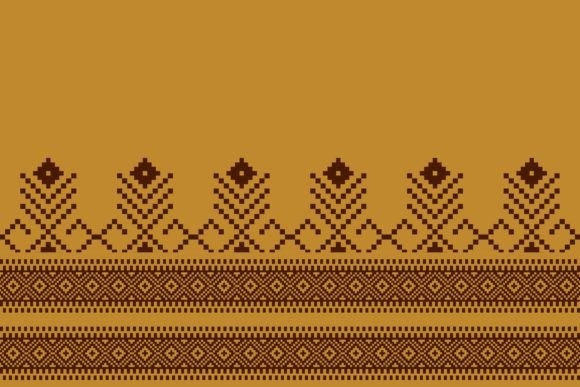
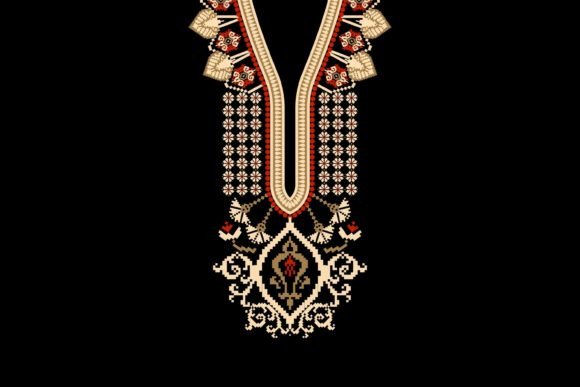
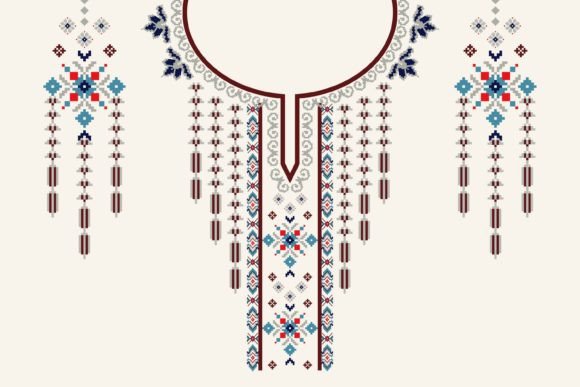
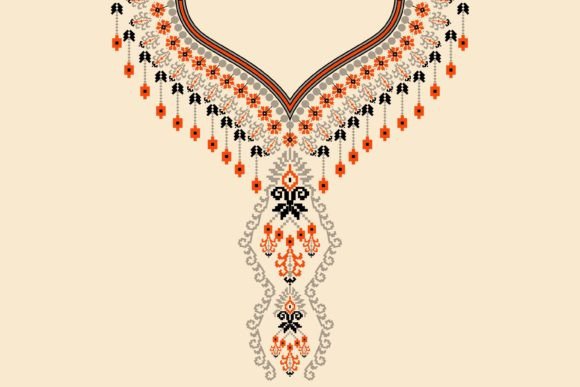
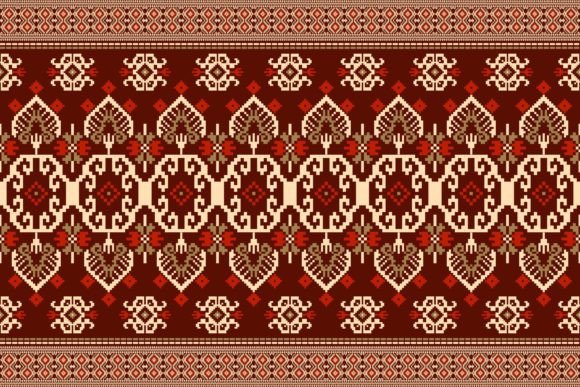
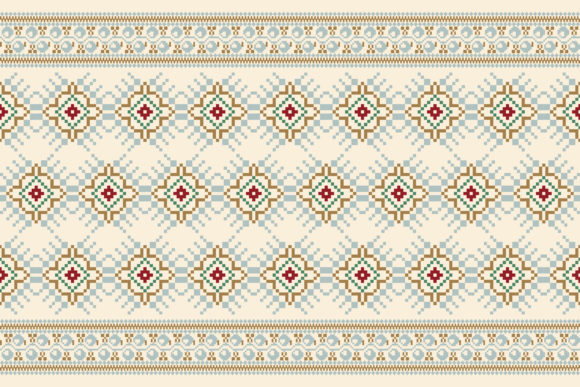
As an embroidery designer who has spent years translating digital concepts into tangible, stitched reality for small businesses, I approach every new design asset with a mix of creative excitement and technical scrutiny. Today, I am reviewing Persian Knitted Embroidery, a graphic described as a beautiful knitted embroidery featuring geometric ethnic oriental patterns on a cream background. With tags suggesting Aztec style, abstract vector illustration, and utility for texture and fabric, this piece sits at the intersection of traditional craft aesthetics and modern digital graphics. For small business owners, Etsy sellers, and apparel decorators looking to elevate their merchandise, understanding how this specific visual translates from screen to needle is crucial.
First Impressions: Visual Personality and Brand Fit
The title Persian Knitted Embroidery immediately sets a tone of artisanal quality. When we look at the description—geometric, ethnic, oriental, and Aztec-style—we are presented with a pattern that feels both historic and contemporary. The cream background suggests warmth and approachability, avoiding the starkness of pure white or the heaviness of black. This color palette naturally aligns with brands that want to project elegance, rustic charm, or handmade authenticity.
For a boutique coffee shop, a handmade candle company, or a local florist, this design offers a sophisticated yet grounded aesthetic. It does not scream for attention like a neon pop-art graphic; instead, it invites closer inspection. This subtlety is valuable in branding because it allows the product itself to remain the hero while the embroidery adds a layer of perceived value. The "knitted" aspect implied by the title suggests a texture that mimics softness, which can psychologically comfort customers before they even touch the item.
Real-World Business Applications
Where does Persian Knitted Embroidery shine in a commercial setting? Let us break down its potential across various merchandise categories commonly used by small enterprises.
Embroidered Patches and Brand Badges
One of the most effective uses of this design is as a standalone embroidered patch. Small businesses often use patches to create a sense of community or exclusivity. Imagine a leather jacket worn by a barista, a tote bag carried by a yoga instructor, or the sleeve of a work shirt for a craft brewery. The geometric nature of the pattern means it will hold its shape well when digitized, provided the stitch density is managed correctly. A chest-sized logo accent using a simplified version of this pattern can instantly communicate heritage and craftsmanship.
Aprons and Workwear
In the food and beverage industry, branded aprons are mobile billboards. Persian Knitted Embroidery works beautifully on canvas or heavy cotton aprons. The cream background blends seamlessly with natural fiber fabrics, creating a monochromatic or tonal look that is currently very popular in high-end hospitality. Unlike a full-color print that might fade after repeated industrial washes, a well-digitized embroidery file ensures the brand identity remains crisp. The Aztec-inspired geometry adds a dynamic edge to what could otherwise be a plain utilitarian garment.
Caps and Headwear
Cap embroidery requires designs that are bold enough to be seen from a distance but simple enough to fit within the limited curvature of a hat front. If this pattern is abstract enough, it can serve as a textured background element behind a smaller text logo. Alternatively, if the pattern is intricate, it might work best as a side panel detail or a back-of-cap accent. The key here is scale; the design must be tested to ensure the individual geometric elements do not merge together when stitched at a 3-inch width.
Tote Bags and Product Packaging
For Etsy sellers and crafters, reusable tote bags are essential marketing tools. Applying Persian Knitted Embroidery to the front pocket or the base of a canvas tote adds a premium feel that justifies a higher price point. Furthermore, this design can be adapted for product packaging accents. While you cannot embroider paper, you can use the design as a template for woven labels sewn into garments or hung on jewelry displays. These small touches significantly enhance the unboxing experience and encourage social media sharing.
Technical Considerations and Risk Areas
While the aesthetic appeal is high, an experienced designer knows that beauty does not always equal manufacturability. There are specific areas where Persian Knitted Embroidery requires careful handling.
- Small Patch Sizes: If you intend to use this design on items like pet collars (hinted at by the dog emoji in the source) or tiny product labels, fine details may get lost. Geometric patterns can sometimes suffer from "pixelation" in stitching if the individual shapes are too small relative to the thread thickness. Always test at the smallest intended size.
- High Stitch Density: Oriental and Aztec patterns often involve dense fills. On delicate fabrics like silk or thin linen, this can cause puckering. You must choose the right fabric weight and potentially use a cut-away stabilizer to support the stitches without distorting the material.
- Thread Color Contrast: The description mentions a cream background. In embroidery, your "background" is usually the fabric color. If you embroider light-colored threads onto a cream fabric, the design will disappear. You need strong contrast, such as deep navy, burgundy, or forest green threads against the cream, to make the geometric shapes pop.
- Curved Surfaces: Embroidering on caps or curved bottle sleeves introduces distortion. Complex geometric grids can look warped if the hoop tension is uneven. Pre-testing on the actual product shape is non-negotiable.
Impact on Brand Identity and Customer Trust
Investing in high-quality embroidery signals professionalism. Customers associate the tactile experience of embroidery with durability and care. By choosing Persian Knitted Embroidery, you are leveraging a design language that speaks of tradition and skill. This helps build trust with your audience, suggesting that your products are made with intention rather than mass-produced indifference.
Moreover, visual consistency is key. If your website, social media, and physical products all feature similar earth tones and geometric motifs, you create a cohesive brand world. This design fits easily into that ecosystem, bridging the gap between digital graphics and physical goods. It enhances the perceived value of your small business merch, allowing you to charge a premium for items that feel unique and handcrafted.
Practical Designer Notes for Production
Before you commit to a production run, follow these steps to ensure success:
- Test in Black and White: Convert the design to grayscale to check its readability. If it loses impact without color, it may rely too heavily on hue rather than form.
- Check Hoop Size and File Format: Ensure the embroidery file matches your machine’s capabilities. Verify the maximum hoop size required to avoid unnecessary trimming or re-hooping.
- Stabilizer Selection: Use a high-quality stabilizer appropriate for your fabric type. A poor choice here can ruin even the best design.
- Create a Printable Mockup: Before stitching, generate a realistic mockup showing the design on your actual product. This helps clients and stakeholders visualize the final result and approve the commercial embroidery application.
- Confirm Licensing: Since this is a digital embroidery file or graphic asset, verify that your license allows for commercial use on merchandise you sell. Some assets are restricted to personal use only.
In conclusion, Persian Knitted Embroidery is a versatile and visually rich asset for any creative business. Its blend of ethnic geometry and soft color palette makes it ideal for brands seeking a premium, handmade aesthetic. By paying close attention to technical execution—from thread selection to stabilizer choice—you can transform this digital pattern into a powerful tool for brand building and customer engagement.