Hippie Embroidery Bundle 3 Review
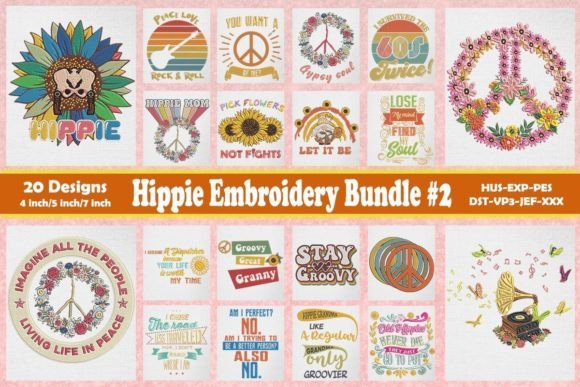
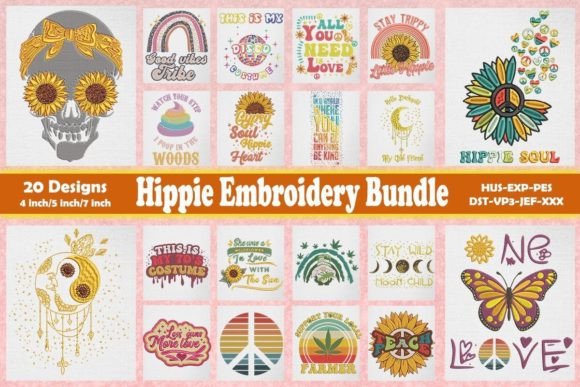
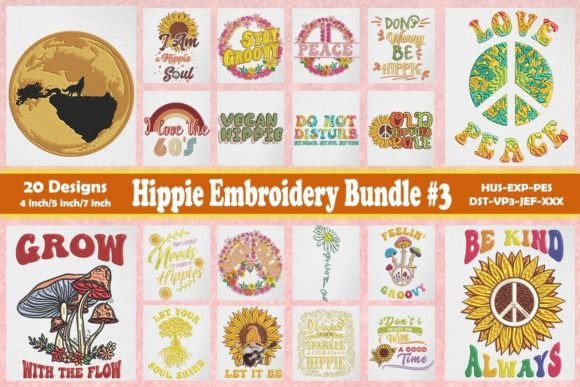
When I first opened the files for Hippie Embroidery Bundle 3, my immediate thought wasn’t about stitch counts or file formats—it was about the vibe. As a designer who spends hours looking at digitized art, it is rare to find a bundle that feels so cohesive and ready for real-world application right out of the gate. This collection of 20 designs captures that specific, relaxed aesthetic that has been dominating craft fairs and Etsy shops for years. But does it hold up when you put it under the needle? That is what matters.
I recently decided to test this machine embroidery design set on a custom project before recommending it for broader commercial use. The goal was simple: create a boutique-style tote bag that felt handmade but looked professional. Here is my honest breakdown of how Hippie Embroidery Bundle 3 performs in practice, where it shines, and where you might need to exercise caution.
The First Impression: Mood and Layout
The "hippie" theme can easily tip into cliché if not executed well. Fortunately, this bundle avoids the trap of looking dated or overly cluttered. The designs rely on organic shapes, flowing lines, and botanical elements that feel timeless rather than trendy. When you look at the preview images, the visual personality is clear: free-spirited, soft, and inviting.
What stands out most is the balance between detail and simplicity. Some designs in the bundle lean heavily on satin stitch work for clean outlines, while others utilize fill stitch patterns to create texture without overwhelming the eye. This variety is crucial for a bundles product because it allows you to mix and match elements. You aren't stuck with twenty identical styles; instead, you have a toolkit that offers both statement pieces and subtle accents.
Real-World Application: The Tote Bag Test
To see how these designs translate from screen to fabric, I chose a natural canvas tote bag. This is a classic handmade product category, especially for Etsy sellers and small shop owners. The challenge with tote bags is finding a design that doesn’t get lost on the large surface area but also doesn’t look too busy when the bag is filled with groceries or books.
I selected a central floral motif from Hippie Embroidery Bundle 3 and placed it slightly off-center. The result was striking. The thread colors popped against the neutral fabric, and the stitch density provided enough weight to the design that it felt substantial, not flimsy. For a custom apparel item like this, the perception of quality is everything. If the stitching looks sparse or uneven, the customer assumes the whole product is low-quality. In this case, the design held its structure beautifully.
This approach works equally well for other items. Imagine this same design on a sweatshirt embroidery project for fall. The heavier fabric would complement the robust fill stitches perfectly. Or consider using a smaller, more intricate design from the bundle on a tea towel or kitchen towel. These are high-volume, lower-price-point items where the visual appeal needs to be instant. The organic nature of the designs makes them highly giftable, fitting seamlessly into holiday gifting scenarios or wedding favors.
Where Caution Is Required
No design is perfect for every situation, and being transparent about limitations is part of responsible reviewing. While Hippie Embroidery Bundle 3 is versatile, there are specific contexts where you need to be careful.
- Small Hoop Sizes: Some of the more detailed designs may require a larger hoop to accommodate their full width. If you are working on tiny accessories like embroidered patches for jackets or small baby bibs, you must check the hoop size requirements carefully. Trying to force a large design into a small hoop often results in distortion or loss of fine details.
- Textured Fabrics: The intricate lines in some of the running stitch sections can get lost on heavy textures like chunky knits or rough burlap. For best results, stick to smoother fabrics like cotton, linen, or jersey. This is particularly important for apparel decorators working with varied garment types.
- Dense Stitch Areas: If you plan to embroider over seams or curved surfaces like caps or hats, be mindful of the thread tension. Dense areas can pull the fabric, causing puckering. Always use the proper stabilizer—cut-away for stretchy fabrics and tear-away for wovens—to maintain clarity.
- Dark Fabrics: While many designs include contrasting elements, always verify the thread colors against your fabric choice. A light-colored design on a dark background might require an underlay stitch that isn't immediately obvious in the digital preview. Testing on scrap fabric is non-negotiable here.
Impact on Product Value and Branding
For commercial embroidery projects, the visual appeal directly impacts perceived value. A well-executed embroidery project signals care and attention to detail. When customers receive a personalized gift or a boutique item featuring clean, intentional stitching, they are more likely to leave positive reviews and return for future purchases.
Hippie Embroidery Bundle 3 supports brand consistency by offering a unified aesthetic. If you are building a brand around bohemian or rustic themes, having a library of 20 compatible designs allows you to scale your production without sacrificing style. You can create matching sets—a tote bag design paired with a coordinating pillow cover pattern—and market them as a collection. This strategy increases average order value and strengthens your presence in the craft business.
Practical Designer Notes Before You Stitch
Before you start producing finished products, I recommend following these steps to ensure success:
- Test on Scrap Fabric: Never go straight to the final product. Stitch the design on a piece of the same fabric type you plan to use. This reveals issues with thread colors, tension, and stability.
- Check Stitch Density: Zoom in on the digital file. Are there any areas where the fill stitch is too dense? Excessive density can cause needle breakage or fabric damage.
- Review Small Details: Look closely at corners and thin lines. Will they render clearly on your machine? If a design relies on very fine satin stitch edges, it may blur on certain fabrics.
- Confirm Licensing: Ensure you have the right to sell finished items made from these digital embroidery file assets. Commercial licenses vary, and protecting your small shop product line starts with legal clarity.
- Use Proper Stabilizer: The right support system is just as important as the design itself. Match your stabilizer to the fabric’s stretch and weight.
Ultimately, Hippie Embroidery Bundle 3 is a strong addition to any designer’s library. It offers versatility, aesthetic appeal, and practical usability. Whether you are creating a personalized gift for a friend or scaling up production for your online store, this bundle provides the creative foundation you need. Just remember: good design meets good technique. Test thoroughly, choose your materials wisely, and let the quality of your stitching speak for itself.