Embroidery Geometric Design Review
As an embroidery designer who has spent years turning digital concepts into tangible brand assets, I approach every new design file with a mix of creative excitement and commercial skepticism. When I first encountered Embroidery Geometric, my immediate thought was not about home decor, but about branding potential. The product description highlights its versatility for wall art, floor pillows, throw blankets, tapestries, scarves, cushions, dresses, skirts, and gift wrapping. While these are excellent applications for the finished textile, my focus as a professional is on how this design translates to small business merch, branded patches, and custom apparel.
This review evaluates Embroidery Geometric from the perspective of a business owner or designer looking to create high-value embroidered products. We will look at its visual personality, its suitability for various merchandise types, potential pitfalls in production, and how it can strengthen your brand identity.
First Impressions: Visual Personality and Professionalism
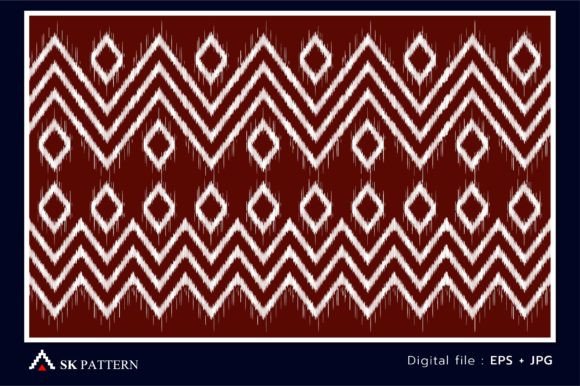
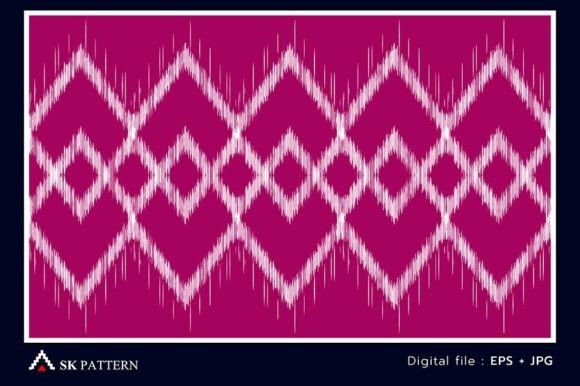
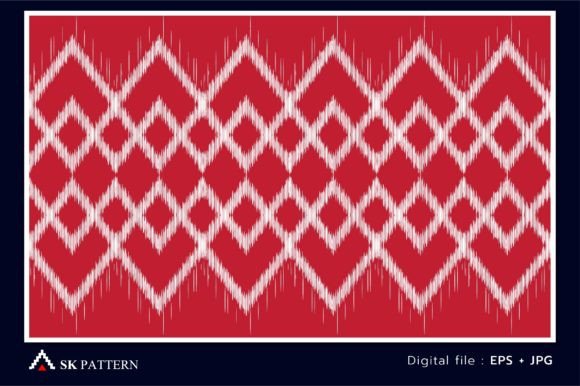
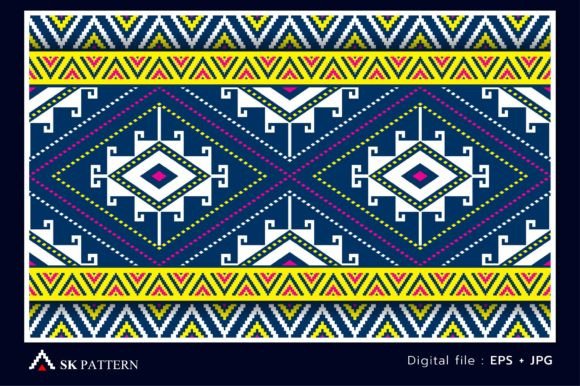
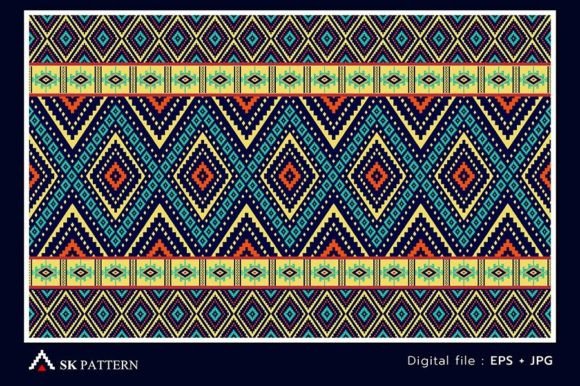
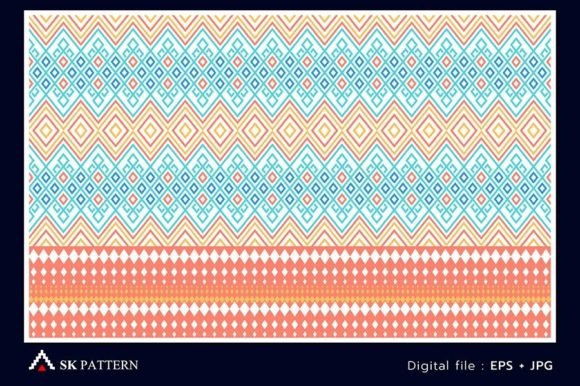
The title "Embroidery Geometric" suggests a clean, structured, and modern aesthetic. In the world of machine embroidery, geometric patterns often convey precision, reliability, and contemporary style. Unlike ornate floral or rustic scripts that might feel too niche or dated, a geometric design tends to have broad appeal. It feels premium and polished, which is exactly what you want when creating merchandise for a boutique, a creative studio, or a local café.
When I imagine this design applied to a product, it doesn’t scream "craft fair"; it whispers "curated retail." This distinction is crucial for small business owners who want their merchandise to be perceived as a quality extension of their brand rather than a cheap giveaway. The clean lines of a geometric pattern allow for strong contrast and clear definition, even when digitized for different fabric textures. Whether used as a subtle accent on a work shirt or a bold statement on a tote bag, the design promises visual consistency and professionalism.
Real-World Business Applications
The true test of any embroidery file is its performance in real-world scenarios. Let’s explore how Embroidery Geometric can function across various commercial embroidery projects.
Branded Patches and Uniforms
One of the most lucrative uses for a versatile design like this is the creation of embroidered patch collections. For businesses such as florists, bakeries, or pet brands, a geometric logo or accent can serve as a recognizable symbol on staff uniforms. Because geometric shapes tend to hold their form well, they are ideal for chest logos or sleeve details. Imagine a barista’s apron featuring a subtle geometric accent near the pocket, or a bakery uniform with a structured patch on the cap. These small touches elevate the employee’s appearance and reinforce brand identity without overwhelming the garment.
Caps and Headwear
>Cap embroidery presents unique challenges due to curved surfaces and limited space. However, geometric designs often excel here because their symmetry aligns naturally with the front panel of a hat. A well-executed geometric pattern can look sharp and authoritative on a baseball cap or a bucket hat. This is particularly effective for tech startups, creative agencies, or event merchandise where a clean, modern look is desired. The design’s likely lack of intricate, tiny details (typical of geometric styles) means it should digitize cleanly onto the curved surface of a cap.
Tote Bags and Apparel Accents
A tote bag design is another staple of small business marketing. Whether you are an Etsy seller shipping orders or a boutique hosting an open house, a tote bag with a striking geometric print is both functional and promotional. The design can be placed centrally for maximum impact or repeated in a border pattern along the edges. Similarly, on custom apparel like hoodies or sweatshirts, a geometric motif can serve as a back-print alternative, offering a textured, high-end feel that screen printing cannot replicate. It adds depth and value to the finished product.
Product Packaging and Gift Wrapping
While not directly embroidered, the design assets can be used to create printable mockups or labels that mimic embroidery. Using the included files, you can design tags or hang-tags for your handmade products that feature the geometric pattern. This creates a cohesive unboxing experience, linking the physical product with the visual language of your brand. It shows attention to detail and enhances customer trust by presenting the item as a polished, professional good.
Where to Exercise Caution
Even the best designs have limitations. As an experienced designer, I must advise caution in several areas when using Embroidery Geometric.
- Small Patch Sizes: If you plan to use this design on very small patches (under 2 inches), ensure the geometric elements are not too fine. Tiny lines can merge together during stitching, resulting in a muddy blob. Always test at the actual production size.
- High Stitch Density: Geometric patterns can sometimes be digitized with dense fills. High stitch density can make fabric stiff and bulky, which is undesirable for lightweight scarves or delicate dresses. Check the stitch density in your digitizing software to ensure it remains breathable and flexible.
- Curved Surfaces: While caps are generally okay, other curved items like fitted hats or rounded corners of bags may distort straight lines. You may need to adjust the hooping technique or use specialized stabilizers to maintain the geometric integrity.
- Fabric Texture: On highly textured fabrics like heavy wool or nubby cotton, fine geometric details may get lost. This design works best on smoother fabrics like cotton twill, denim, or polyester blends where the stitches can lay flat and crisp.
- Dark Uniforms: If embroidering on dark garments, ensure you have sufficient underlay and top thread coverage. Geometric designs with large empty spaces might show the dark fabric through if the digitization is too sparse. Conversely, solid blocks of color on dark fabric require careful balancing to avoid excessive weight.
Impact on Brand Identity and Customer Trust
Investing in high-quality design assets like Embroidery Geometric pays off in customer perception. Embroidery inherently signals quality and permanence. Unlike printed graphics that crack or fade quickly, embroidered designs endure. By using a clean, professional geometric pattern, you communicate that your business values precision and aesthetics.
This visual consistency helps with buyer engagement. Customers recognize your brand faster when your merchandise, packaging, and online presence share a unified visual language. A geometric motif is often gender-neutral and age-inclusive, allowing you to reach a broader audience. It positions your handmade product or service as modern and relevant, helping you stand out in a crowded marketplace.
Practical Designer Notes for Production
Before committing to a full production run, follow these essential steps to ensure success:
- Test in Black and White: Convert the design to black and white to check its silhouette. Does it read clearly? Are there any confusing overlaps?
- Check Small Size Legibility: Zoom in to 100% and simulate how it looks at 1 inch. If details disappear, simplify the design or increase the scale.
- Review Thread Color Contrast: Choose thread colors that pop against your target fabric. Light threads on dark fabric or vice versa usually work best for geometric clarity.
- Inspect Spacing: Ensure there is enough distance between separate elements to prevent thread breaks and tangling.
- Confirm Hoop Size: Verify that the design fits within your standard hoop sizes (e.g., 4x4, 5x7, 8x12). The product description mentions files included, so check the dimensions provided.
- Test on Real Fabric: Never skip the sample run. Stitch the design on the exact fabric you plan to use for production. This reveals issues with stabilizer choice, tension, and fabric behavior.
- Create a Mockup: Use the graphic files to create a printable mockup for client approval or marketing materials. This allows you to sell the concept before investing in inventory.
- Compare with Other Assets: Place the design next to your existing logos or patterns. Does it complement them? Does it clash? Visual harmony is key for a cohesive brand.
- Confirm Commercial Licensing: Most importantly, review the license terms. Ensure you have the right to use Embroidery Geometric for commercial resale on merchandise. The description lists EPS and JP files, but does not explicitly state licensing rights, so please verify this with the provider before selling finished goods.
In conclusion, Embroidery Geometric offers a strong foundation for a wide range of custom apparel and brand identity projects. Its modern aesthetic makes it suitable for cafes, boutiques, and creative studios alike. By paying attention to technical details like stitch density, fabric choice, and licensing, you can transform this digital pattern into a profitable and professional line of embroidered merchandise.